



OPINION:
After meeting with North Texas families and medical professionals, including through healthcare-focused roundtable discussions, I have heard repeatedly how healthcare and insurance costs continue to rise, and more Americans are having to go without needed care. Since my first term, I have introduced multiple bills to modernize and make Health Savings Accounts (HSAs) more accessible for Americans. I remain committed to ensuring that North Texans of all ages have access to more personalized and high-quality care options.
HSAs allow people to set aside pre-tax dollars for medical expenses, everything from prescriptions to deductibles to doctor visits. Used well, an HSA isn’t just a way to pay this month’s bills, but a long-term savings option. Contributions go in tax-free, the growth is tax-free and withdrawals for medical expenses are tax-free. For millions of Americans, it’s the closest thing to a retirement account for healthcare costs.
They are great tools for hardworking American families, offering flexibility and allowing for tax-free money to grow. The issue is not everyone has access to these highly valuable tools. For years, federal rules tied HSA eligibility to a narrow definition of what counted as a High-Deductible Health Plan (HDHP). If you were on a Bronze or Catastrophic plan, the lower-premium, higher-deductible options are often the only realistic choice for younger workers, gig workers, contractors and the self-employed. The very people who could benefit most from HSAs were locked out, even though HSAs were designed to pair with their kind of plan.
The Working Families Tax Cuts closed that gap. This past January, Bronze and Catastrophic plan eligible enrollees were able to open these accounts. This change unlocked HSAs for about 7.25 million previously ineligible individuals, allowing them to have greater control over their health spending and utilize the tax advantages they offer, leading to healthcare savings.
The Working Families Tax Cuts also made a permanent fix, so telehealth visits can occur before a deductible is met without disqualifying an individual from contributing to their HSA. People enrolled in Direct Primary Care (DPC) arrangements can also now contribute to their HSAs and use the funds tax-free to pay their DPC fees. This is a huge step, and personal to me, as my first job out of college was working for a small business start-up working to make DPC arrangements a possibility.
Through this landmark legislation, we expanded access for millions of Americans who will now be eligible for this tool, helping make healthcare more affordable and flexible. This was a great step, but we still have more to do.
Earlier this Congress, I introduced the HSA Modernization Act, legislation that was advanced by the Ways and Means Committee in the previous Congress. In addition to expanding HSA eligibility to users of Bronze and Catastrophic classified health plans, we were working to cut unnecessary regulations, modernize Health Savings Accounts, and expand eligibility for disabled veterans, working seniors and Native Americans.
The HSA Modernization Act would also ensure those on plans with a lower threshold for mental health services are not disqualified and would allow the coverage of health care services that occurred up to 60 days prior to establishment of the HSA. To ensure broader family availability, spouses can contribute “catch up” payments into the same HSA. And we would increase contribution limits to better align with what individuals might owe in out-of-pocket expenses to provide peace of mind and ensure Americans can cover their bills in an emergency.
As hardworking families and small businesses continue to pay the price for limited healthcare options and higher premiums, we are helping to provide access for families to plan and save for their medical expenses. The Working Families Tax Cuts made millions of Americans newly eligible for HSAs; now it’s time to cut the remaining red tape so even more can use this tool for greater flexibility and better access to high-quality care.
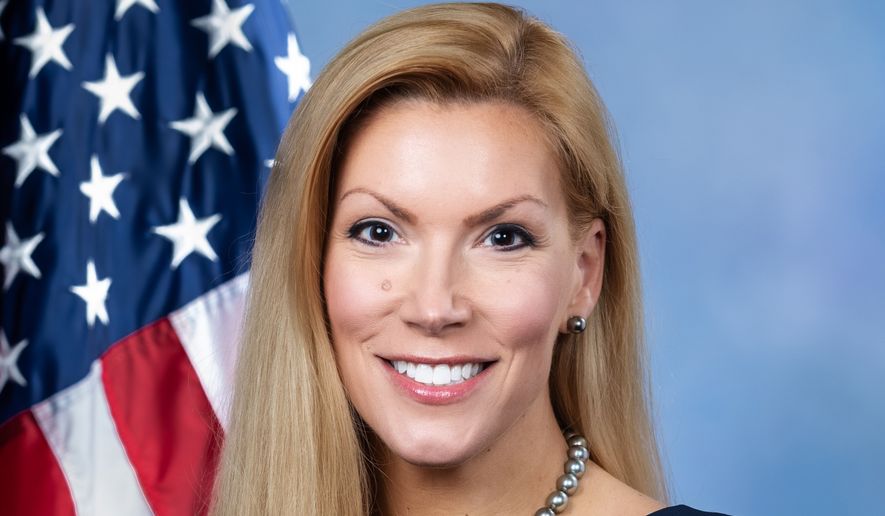
• Rep. Beth Van Duyne represents Texas’ 24th Congressional District. She’s a member of the House Ways and Means Committee and chairs the Economic Growth, Tax, and Capital Access subcommittee of the House Committee on Small Business.
Please read our comment policy before commenting.