


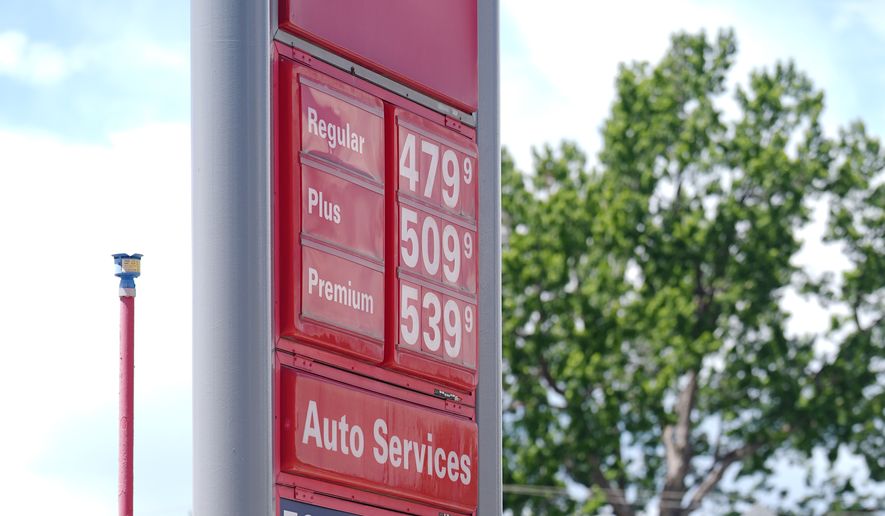

Prices rose 4.2% for the year ending in May as inflation hit a three-year high, the government said Wednesday in a report that underscored the impact of war-related shocks to energy costs.
The Consumer Price Index rose 0.5% for the month, which was largely in line with Wall Street expectations. But it was the third straight monthly increase in the midterm election year.
The annual reading from the Bureau of Labor Statistics exceeded the 3.8% reading in April and was the highest yearly inflation number since April 2023.
People were interested in these podcasts
Energy costs stood out as the main driver of inflation, accounting for more than 60% of the monthly all-items increase, according to the BLS.
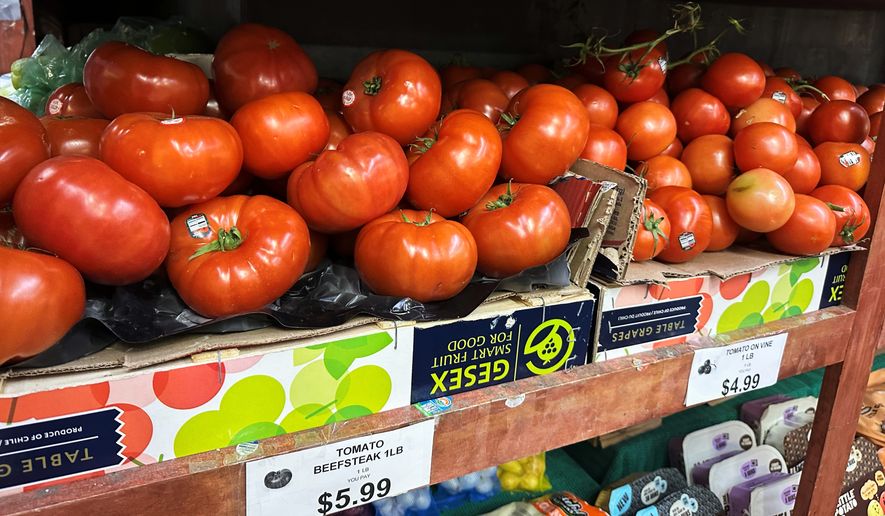
Shelter and food costs rose slightly.
“Indexes that increased over the month include communication, airline fares, medical care, personal care, and recreation,” the report said. “Conversely, the indexes for motor vehicle insurance, household furnishings and operations, and new vehicles were among the major indexes that decreased in May.”
Rising costs and concerns about affordability have dominated the political conversation since the COVID-19 pandemic.
Rampant inflation dogged President Joseph R. Biden during his term, peaking at 9.1%. Mr. Trump campaigned on a promise to fix the problem. He saw early success in reducing the price of eggs and other goods.
However, his tariff policies complicated the picture, and his military operation against Iran led to energy shocks because Tehran retaliated by restricting commercial shipments in the Strait of Hormuz.
Mr. Trump brushed off the rising inflation number.
“No, I love it. The numbers were great. You know what I really love? I love the inflation,” Mr. Trump said in the Oval Office, before explaining he thought the numbers would drop after the war.
The report on rising inflation arrived on the heels of a positive jobs report that said the U.S. added 172,000 positions in May.
The dynamic presents a complicated picture to the Federal Reserve as new Chairman Kevin Warsh and central bankers mull whether to cut interest rates.
“The economic data provide little support for lower interest rates, particularly since inflation persists at high levels. Yet President Trump continues to call for lower interest rates,” said Steve Swedberg, a finance and monetary policy analyst at the Competitive Enterprise Institute. “The result is a growing tension between economic indicators that suggest restraint and political pressure pushing in the opposite direction. Whether Warsh follows the data or the administration’s preferred policy direction will be one of the defining questions facing the Fed this summer.”
Oil prices rose slightly on Wednesday as Mr. Trump threatened to punish Iran for dragging out peace talks, and both sides renewed military attacks. Stocks were also down because of the new turmoil in the Middle East.
Mr. Trump said the U.S. is moving more oil through the Strait of Hormuz and inflation will ease as soon as the conflict is over, given the pent-up supply.
“When the war’s over? It’s coming down,” Mr. Trump said in the Oval Office.
The U.S. average price of a gallon of gas stood at $4.15 on Wednesday, down from $4.52 a month ago but up 39% from when the war started, according to the AAA motor club.
The Groundwork Collaborative, a left-leaning nonprofit, also pointed to the rising cost of diesel fuel, which reached an average of $5.30 per gallon and can have trickle-down effects on the costs of food and other consumer goods.
“Working Americans no longer have any breathing room in their budgets and are dipping into their savings while the president spends millions in taxpayer funds to attend the NBA Finals,” said Alex Jacquez, the chief of policy and advocacy at Groundwork. “Trump’s betrayal of the working class has done lasting damage to our economy.”
Contact the author

Please read our comment policy before commenting.