


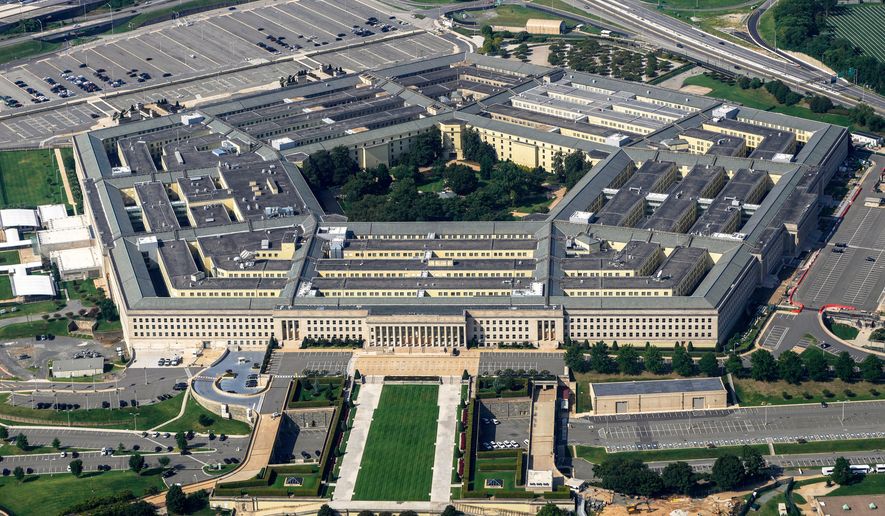

The Pentagon late Thursday officially opened a new program to give government loans, potentially worth billions of dollars, to private investment funds.
As part of the National Security Fund Finance (NSFF) program, those capital firms are expected to invest that government money — along with their own separate pools of private financing — in companies that promise to deliver the critical materials needed for missiles, aircraft and other advanced military technology.
Introducing private investment funds into the more traditional Pentagon-to-company loan process is sparking concern in national security circles, particularly about how the Trump administration will ensure the program doesn’t inadvertently lead to lost taxpayer money or profiteering by private investors capitalizing on the administration’s defense investment push.
In a brief statement posted online, the Pentagon said the program, to be operated out of the Office of Strategic Capital, “aims to provide capital support to credit funds addressing shortages, gaps, and vulnerabilities in critical minerals vital to United States national security.”
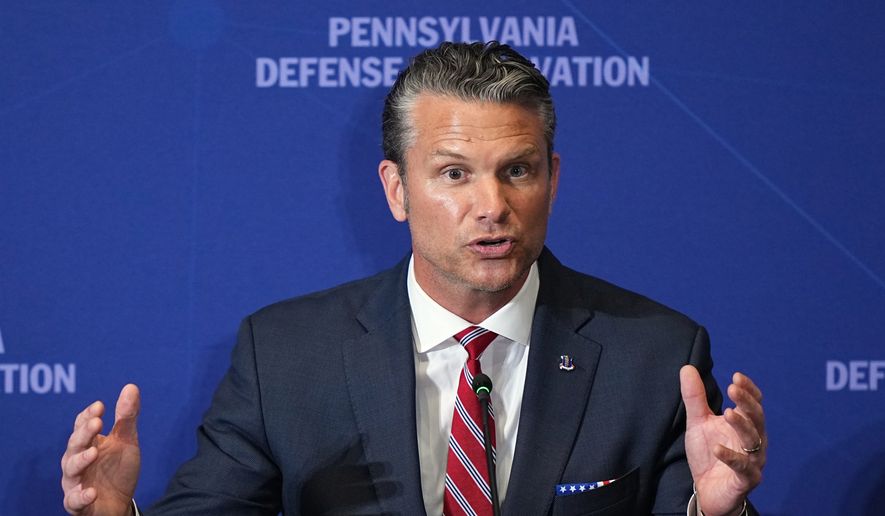
“OSC’s mission is to advance these strategic interests by providing direct loans and deploying other financial tools. The NSFF program acts as the fund-level financing solution to accomplish that goal,” the statement says.
Private capital funds can apply for government loans online. The application section, posted on the U.S. General Services Administration website, includes a lengthy document explaining the program, a brief legal questionnaire for companies to fill out, and an “investment track record” form. The application period runs through Nov. 1.
The NSFF is part of the Trump administration’s aggressive push to transform America’s defense and critical minerals industries for the 21st century. That effort aims to close significant production gaps with Communist China, which dominates the world in processing rare earth elements and other key materials.
The Pentagon also has taken direct equity stakes in at least five companies and doled out billions of dollars in conditional loans to companies in those same arenas. Much of that money comes from President Trump’s “One Big Beautiful Bill,” which authorized up to $100 billion in direct loans, loan guarantees and other forms of financial backing for companies delivering critical materials.
But analysts say loaning money to investment funds is fundamentally different than loaning it directly to companies, as private capital has a different set of priorities.
“They are looking to make an attractive financial transaction. They are not necessarily primarily motivated, in terms of financial incentives, to create a successful business and fulfill these production promises that DoD is making,” said Julia Gledhill, a research analyst for the Stimson Center’s National Security Reform Program. Ms. Gledhill closely tracks the Pentagon’s equity investments, loans and other financial moves to overhaul the country’s defense industrial base.
“There’s a very high risk [of the NSFF program] using public funds for private gain,” she told The Washington Times this week. “Taxpayers deserve more transparency and accountability if they are helping foot the bill for investments in companies about which they know very little.”
The Pentagon did not address specific questions The Times posed this week about the program, including:
• Whether there is a cap on how much money could be loaned to investment fund managers
• If the Pentagon will require any type of pre-notice from those fund managers before government money is directed to a specific company
• Whether company-level investment data be made public, or provided to Congress, including in cases where a fund-backed investment fails
• And what mechanisms are in place to prevent conflicts of interest in the NSFF process
Contact the author

Please read our comment policy before commenting.