


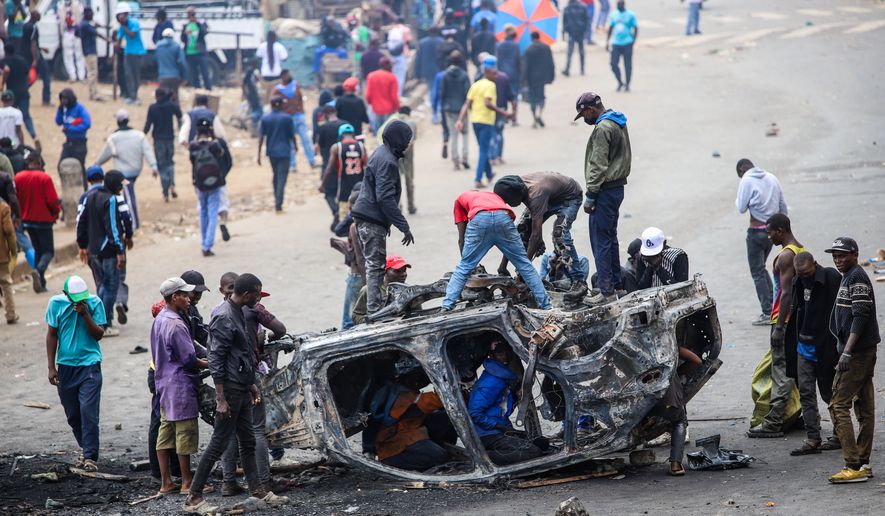

NAIROBI, Kenya — Public transport operators in Kenya on Tuesday suspended a nationwide strike for one week to allow consultations with the government, marking an end to two days of protests that left four people dead and more than 30 others injured.
Talks collapsed on Monday as transport operators demanded that fuel prices be reduced to cushion them and commuters from increased transportation costs.
Commuters were stranded for the second consecutive day on Tuesday as public transport operators kept their vehicles off the roads.
Protesters took to the streets, engaging police in running battles and setting tires on fire along major highways, making them impassable.
Kenya’s fuel prices hit a record high on Friday, with the diesel price increasing by 23.5% and gasoline by 8%. The government attributed the latest price increase to the Iran war and its effects on energy supplies.
The opposition, however, blamed the sharp rise on corrupt businesspeople who want to increase profit margins.
Interior Minister Kipchumba Murkomen, in a televised press briefing, said negotiations with all fuel stakeholders would take place within seven days to address the pricing issue.
A representative from the transporters’ association, Kennedy Kaunda, said the members would allow the consultations to continue, and that if no agreement is reached, guidance will be issued to the public in a week.
Four people were killed on Monday and more than 30 others injured. Some 348 people were also arrested and will be charged with taking part in illegal protests.
Please read our comment policy before commenting.