


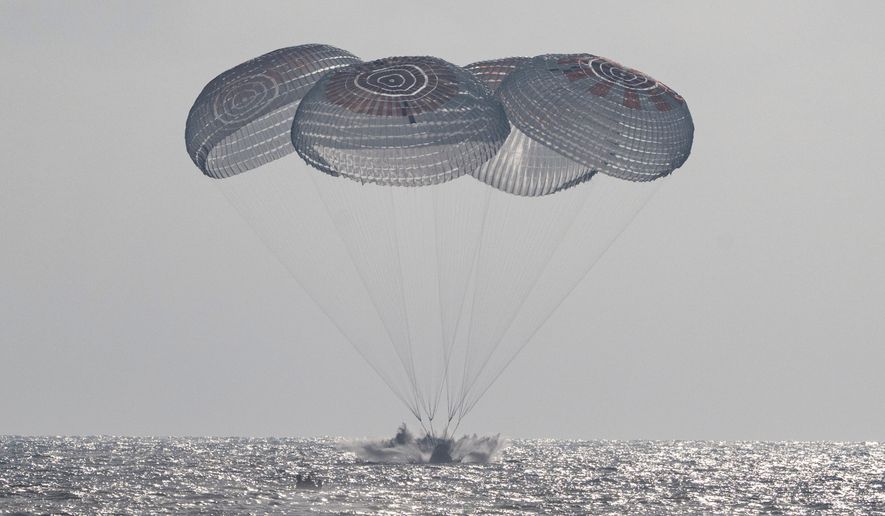

CAPE CANAVERAL, Fla. — Four astronauts returned to Earth from the International Space Station on Thursday after hurrying there eight months ago to replace an ailing colleague and his crew.
SpaceX brought the U.S., French and Russian flyers back with a splashdown in the Pacific off the coast of Los Angeles.
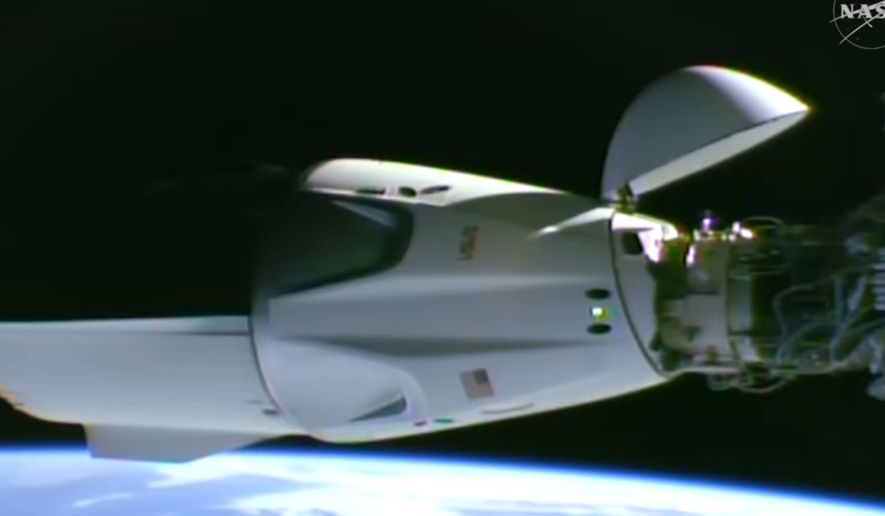
NASA’s Jessica Meir and Jack Hathaway, France’s Sophie Adenot and Russia’s Andrey Fedyaev departed the orbiting lab on Wednesday, eager to reunite with their families after a lengthy separation. Their replacements arrived three weeks late because of capsule repairs, stalling this crew’s homecoming.
People were interested in these podcasts
They couldn’t wait to feel the breeze on their faces, hit the shower and, for Adenot at least, plunge back into water sports.
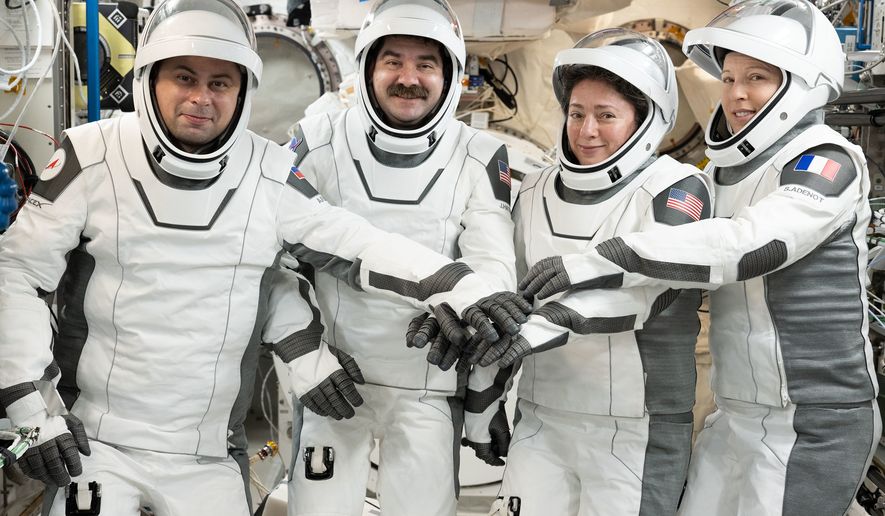
“We are so excited to be back on Planet Earth after an incredible mission on the International Space Station,” Meir radioed moments after splashing down. While still in orbit, she said the crew had “a lot of mixed, swirling emotions” and would miss the “extraordinary views of our home planet.”
All four were out of their capsule within an hour, waving and pumping their fists in the air aboard SpaceX’s recovery ship. After a helicopter ride to shore, they were going to head for Houston.
Meir and her crew left the planet in February to replace four station occupants who were sent home early after one of them - NASA’s Mike Fincke, now retired - fell ill. It was NASA’s first medical evacuation in 65 years of human spaceflight.
The new foursome watched with pride two months later as the Artemis II astronauts flew around the moon. They also celebrated the United States’ 250th birthday up there, with Meir joining the Boston Pops with her piccolo for a Fourth of July concert.
Meir took part in four spacewalks, while Adenot ventured outside three times for maintenance and upgrades to the 28-year-old outpost.
In the middle of all the work, the astronauts found time for fun, throwing a dance party last month and holding regular cooking demonstrations complete with aprons and a chef’s toque.
Meir presented a how-to video for curly-haired spacewomen like herself, while Hathaway kept his bushy mustache - a space rarity - groomed to perfection. He grew the naval aviator-style mustache before rocketing into orbit as a way to honor his Navy ties, and found it no harder to maintain in weightlessness than on Earth. Some ground controllers grew mustaches in solidarity.
Will his mustache disappear now that his mission is over?
“It’s kind of become a little bit of my brand up here,” Hathaway said in August, “so I don’t know if it’ll go away right away or I’ll end up keeping it for a while.”
Seven astronauts remain aboard the space station, representing the U.S., Russia and Canada. The outpost has welcomed 298 visitors from 26 countries since the doors swung open in 2000, by NASA’s count.
Please read our comment policy before commenting.