



The Trump administration’s federal workforce reductions have negatively affected more than half of residents of the nation’s capital, according to a new survey.
More than half of residents of Greater Washington, which includes parts of Maryland and Virginia, say they or someone in their household has been hurt by federal job cuts, according to a Thursday survey by Gallup and the Greater Washington Community Foundation.
The level of dissatisfaction jumps up to 66% of those living in the District and 62% in Arlington County and Alexandria, Virginia.
People were interested in these podcasts
Less than 3% of those living in D.C. said they were positively affected.
In a region long synonymous with government work, federal employees make up 41% of the workforce living within Washington.
Civilian federal employment, excluding the U.S. Postal Service, dropped 13.6% since President Trump returned to the White House in January 2025, according to Bureau of Labor Statistics data cited this month.
The metro region lost 62,100 federal jobs from that month to last January — a 16.5% reduction — pushing the local federal workforce to its lowest level since 1990. By May, cumulative federal job losses in the area exceeded 63,000, a 30-year low.
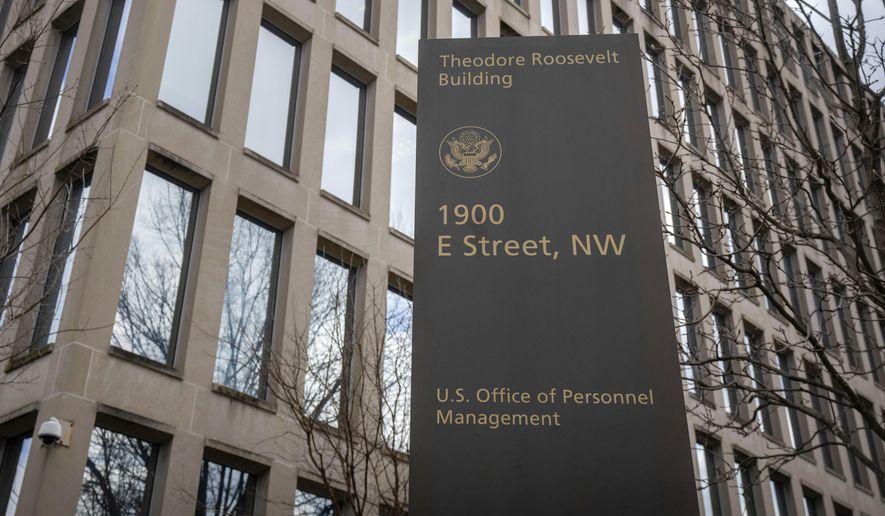
Cuts were primarily driven by layoffs, buyouts, retirements and the Deferred Resignation Program, an Office of Personnel Management buyout offer that let eligible civil service employees commit to a future resignation and receive full pay and benefits while on paid administrative leave.
The Greater Washington area has lost more federal jobs in absolute terms than any other major U.S. metropolitan area due to federal downsizing.
“Federal downsizing has left a visible mark on how DMV residents assess their local job market,” the survey reads, referring to D.C., Maryland and Virginia. “Meanwhile, long-standing concerns, such as the availability of affordable housing, persist across subregions, across income groups, and among renters and homeowners alike.”
Most residents in households with annual earnings of $90,000 or more say they were hurt by workforce reductions compared with half of those whose households earned less than $90,000.
The average annual earnings in the metro area round to $92,000 a year for full-time workers, while the broader regional median household income sits at $159,000.
Contact the author

Please read our comment policy before commenting.