



OPINION:
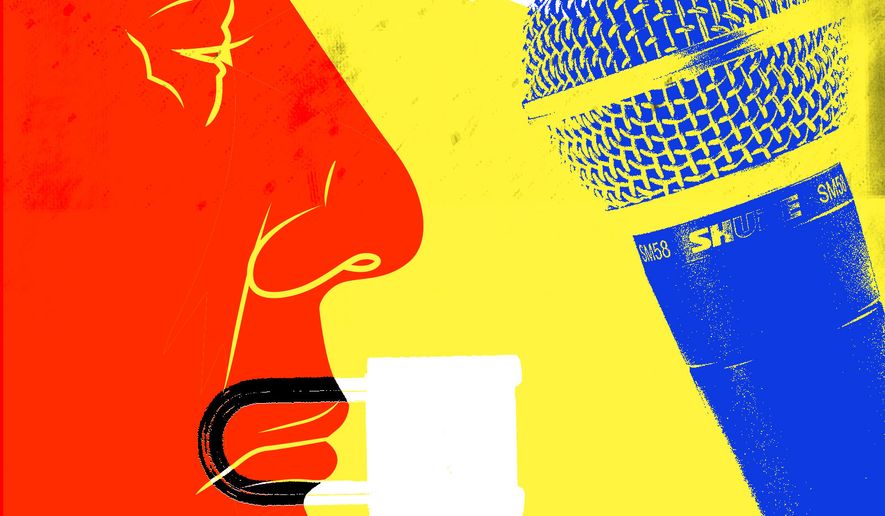
We are back in the children’s sandbox. President Trump has banned CNN, MS NOW and Politico from covering him.
The three have filed a First Amendment lawsuit. The president has retaliated with “Trump TV: The Essentials Station” on YouTube.
American presidents have been complaining about the press almost as long as we have had presidents.
People were interested in these podcasts
Thomas Jefferson knew something about hostile newspapers. Yet in 1787, he wrote that if forced to choose between government without newspapers and newspapers without government, he would go with the newspapers.
Presidential irritation with the press did not end with Jefferson.
Abraham Lincoln suspended the publication of various newspapers, banned critical papers from being delivered through the U.S. mail and temporarily imprisoned or silenced editors during the Civil War to maintain public morale.
John F. Kennedy became so angry with the New York Herald Tribune that in 1962, he canceled the White House’s 22 subscriptions to the paper.
Richard Nixon banned Washington Post reporters from White House social events, restricted access after their coverage of the Watergate scandal and attempted to block the publication of the Pentagon Papers through the judicial system.
During the Obama administration, White House officials “publicly stated that Fox News operated more like the ’communications arm of the Republican Party’ than a traditional news organization.” When the Treasury Department initially left Fox out of a round of pooled television interviews, the other networks pushed back. Fox was ultimately included.
The Trump vs. press fight has produced another consequence. When CNN was prevented from taking its scheduled turn in the television press pool, Fox News, ABC, CBS, NBC and CNN suspended pooled television coverage of presidential events.
I have criticized press bias for most of my career. I worked in television news. I know reporters. I also know what happens when journalism becomes predictable, partisan or simply wrong.
Criticizing the press is one thing. Using government access to punish coverage of a president a president dislikes is another.
If reporters get a story wrong, show them where they got it wrong. If they ignore the results of a policy, invite them to see those results. Challenge their assumptions. Correct their facts. Engage them. Or ignore them.
Ronald Reagan frequently sparred with reporters. He also joked with them — and about himself. At his final White House Correspondents’ Dinner, Reagan acknowledged the inevitable friction between presidents and the press and said that a healthy relationship meant each side could give as good as it got.
“My attitude is better than linebacker George Atkinson’s when he was with the Oakland Raiders. Someone asked him what the players’ reaction would be if the press box blew up. He said, ’We’d have 30 seconds of respectful silence and then continue with enthusiasm.’” There was laughter.
Then, “Now, honest, I don’t feel that way — maybe once in a while.” More laughter.
Finally: “I’m sure we get exasperated now and then with each other, but that’s just the friction of freedom.”
Presidents do not need a friendly press. They need the confidence to face an unfriendly one. When journalists are wrong, the strongest answer is better facts, better arguments — and the willingness to let the public decide.
• Readers may email Cal Thomas at tcaeditors@tribpub.com. Look for Cal Thomas’ latest book, “A Watchman in the Night: What I’ve Seen Over 50 Years Reporting on America” (Humanix Books).
Follow the author
Please read our comment policy before commenting.