



A version of this story appeared in the daily Threat Status newsletter from The Washington Times. Click here to receive Threat Status delivered directly to your inbox each weekday.
The Trump administration signed a nuclear agreement with Saudi Arabia on Wednesday that could lead to the kingdom developing a domestic uranium enrichment program.
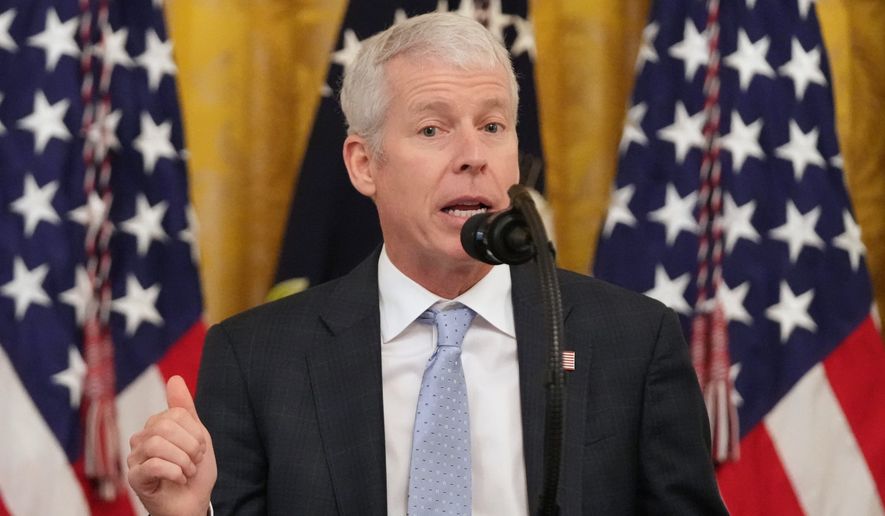
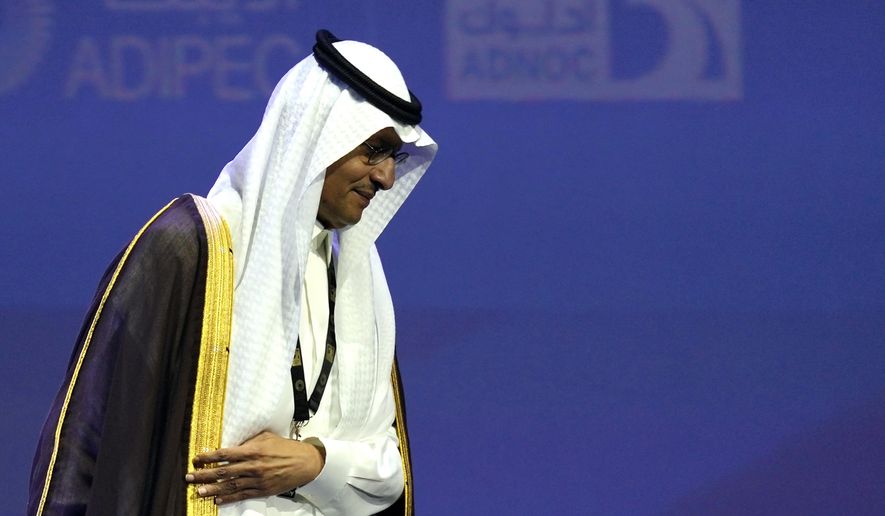
The Department of Energy confirmed that Energy Secretary Chris Wright signed the agreement earlier in the day with Saudi Prince Abdulaziz bin Salman, also the kingdom’s energy minister.
The accord, known as the 123 Agreement, is accompanied by a “bilateral safeguards agreement,” according to the Energy Department.
People were interested in these podcasts
“Together, these two agreements lay the legal foundation for a decades-long, multi-billion-dollar partnership that advances several priority economic and strategic objectives, including nuclear nonproliferation,” the statement reads.
The deal is intended to strengthen cooperation between the U.S. and Saudi energy industries, giving American companies increased access to the kingdom’s emerging nuclear production.
The exact terms of the deal have not been revealed and the Energy Department did not specify how long the agreement would last. Reports from this week suggested the accord could last as long as 30 years.
The terms of the agreement are a major departure from precedent. Previous U.S. administrations have explicitly restricted the kingdom’s domestic nuclear program to prevent proliferation in the Middle East.
It remains unclear whether the deal requires Saudi Arabia to commit to regular and unannounced inspections by the International Atomic Energy Agency. Previous U.S. nuclear agreements with Gulf nations have outlined specific requirements for regular inspections.
Seeking to assuage fears that Saudi Arabia would soon develop nuclear weapons, Mr. Wright said the deal would increase strategic cooperation between Riyadh and Washington and would improve regional security as well.
“Rest assured, these agreements uphold the highest standards of nuclear safety and nonproliferation, while relying on the world’s best nuclear technology and scientists, designed right here in the United States. Thanks to President Trump, the American nuclear renaissance is underway and will deliver long-term benefits to the American and Saudi people,” Mr. Wright wrote.
The deal has reportedly been in the works since at least the Biden administration, when it would have been packaged in an agreement that would have seen Saudi Arabia diplomatically recognize Israel.
But the new deal does not include any such guarantee, despite the Trump administration’s focus on expanding the Abraham Accords, his first-term initiative that saw several Arab-led nations open diplomatic relations with Israel.
Unlike some of the Gulf Arab states already participating in the accords, the Saudis have said they will join only when there is an independent Palestinian state.
The nuclear deal could face serious backlash from U.S. lawmakers and Israel, who have argued that allowing Saudi Arabia to build a domestic nuclear program would get the kingdom closer to acquiring nuclear weapons and spark a regional arms race.
Secretary of State Marco Rubio told reporters Wednesday during a diplomatic tour in the Philippines that no Saudi accord would permit them to get nuclear weapons.
“Suffice it to say, the U.S. is not going to reach any agreement with any country in the world that leads to the risk of proliferation,” he said.
Contact the author

Please read our comment policy before commenting.