



OPINION:
While Saudi-Iranian relations have gone through different phases since the Islamic Revolution of 1979, the level of tension seen during the past five years is unprecedented.
This is primarily due to the fact that the Iranian regime has become intensely more aggressive since the so-called Arab Spring. Not only is it exporting sectarian terrorism, executing huge numbers of its own people and making policy decisions that are clearly divisive and destructive, but its official statements — the messages that determine its relationships with the international community — have become similar to the Iranian soup known as Aash; you can add any ingredient you want, but in the end it is still unpalatable.
For instance, Saudi Arabia recently executed 47 known terrorists in an attempt to secure its people from harm. Among those killed was Nimr Al-Nimr, who was convicted of murdering eight police officers and injuring 142 others, along with numerous other charges.
People were interested in these podcasts
The Iranian response to these fully legitimate legal proceedings would have been laughable had it not also been accompanied by the destruction of the Saudi diplomatic missions in Tehran and Mashhad.
While Iranian court proceedings take place behind closed doors and last only a few minutes, the Saudi proceedings involved ample evidence, were broadcast on several Western TV stations, including the BBC, took several years and involved confessions in front of the defendants’ families and lawyers.
Further, the United Nations claims that the number of executions in Iran has risen to an unprecedented level during the reign of Iranian President Hassan Rouhani, with more than 2,000 killed over the past two years.
Those executed have included Rihanna Jibari, who took the life of an Iranian intelligence agent who was trying to rape her, and dozens of Sunni clerics in Kurdistan and Baluchistan, including Kivan Zind Karimi, Hushyar Muhammadi, Bahnam Rahimi, among others. Finally, considering that not even these acts have inspired Saudi Arabia to interfere in Iranian affairs, Tehran’s willingness to interfere in the Saudi courts is highly troubling.
When Iran described the al Qaeda terrorists executed in Saudi Arabia as “human rights activists,” it showed itself for the supporter of regional terrorism that it truly is.
In fact, sectarian terror did not manifest itself in the Middle East until after the Iranian Revolution and the rise of the Islamic jurists who now rule a country whose constitution is unabashedly non-secular, as expressed in Article 12: “The official religion of Iran is the Shiite Twelver school of Islam, and this principle will remain eternally immutable.”
This is the regime that harbored al Qaeda leaders in North Tehran, that has publicly boasted of training more than 200,000 fighters across the region, and that has been persistently sending bombs, weapons, ammunition and terrorists to almost every country in the Middle East in the name of sectarian destabilization.
Even the Iranian people themselves are not spared its wrath, as evidenced by the fate of the Green Wave leaders and the hundreds that were detained for opposing the fraudulent elections of 2009. The Iranian Revolutionary Guard’s confession to stifling this movement with fire and iron is readily available on the Internet.
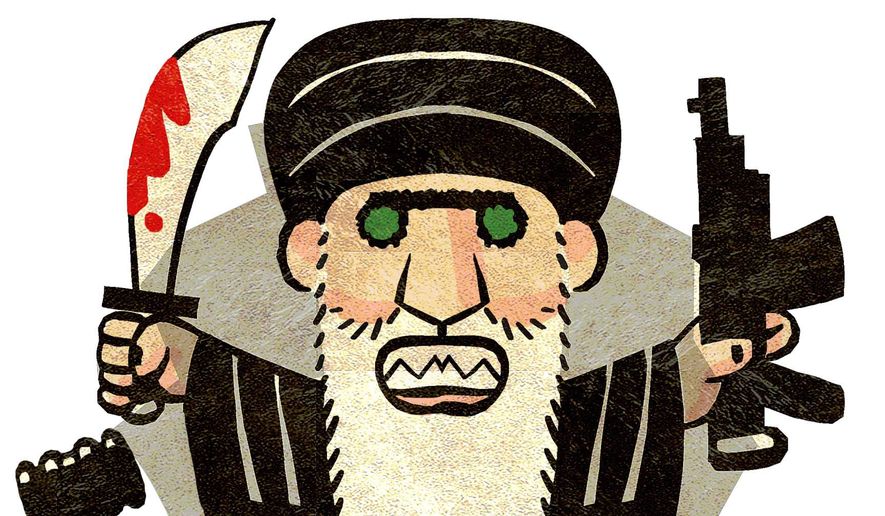
The condemnation of the destruction of the Saudi missions in Tehran and Mashhad by Iranian officials further proves the regime’s deceptiveness, as clearly the attacks were carried out by Basij forces in civilian clothes receiving orders from Supreme Leader Ali Khamenei himself.
As is well documented, Iran is, in fact, the only country in the entire world that supports and allows the burning of embassies, as it did in the past with the American, French, British and Danish missions.
From the American hostage crisis of 1979 to Iran-backed Hezbollah militants bombing the Khobar Towers in Saudi Arabia to planning the assassination of former Saudi ambassador and current Foreign Minister Adel Al-Jubeir, the regime has a long and dark history of supporting violence against other nations’ buildings, citizens, soldiers and officials.
This is perhaps why Canada severed ties with Iran in 2012, describing it as the world’s most dangerous threat to peace and global security. Unfortunately, despite Canada’s brave move, the West has contributed to Iran’s barbaric behavior, which will not stop until the world stands firm against it.
Although the country has been blessed with abundant God-given wealth, its leaders are addicted to sending its resources abroad to support terrorists, armed militias and espionage cells, starving its citizens of their rightful inheritance. The Iranian people deserve much better.
• Mohammed Alsulami, a researcher at Umm Al-Qura University in Saudi Arabia, specializes in Iranian studies.
Please read our comment policy before commenting.