


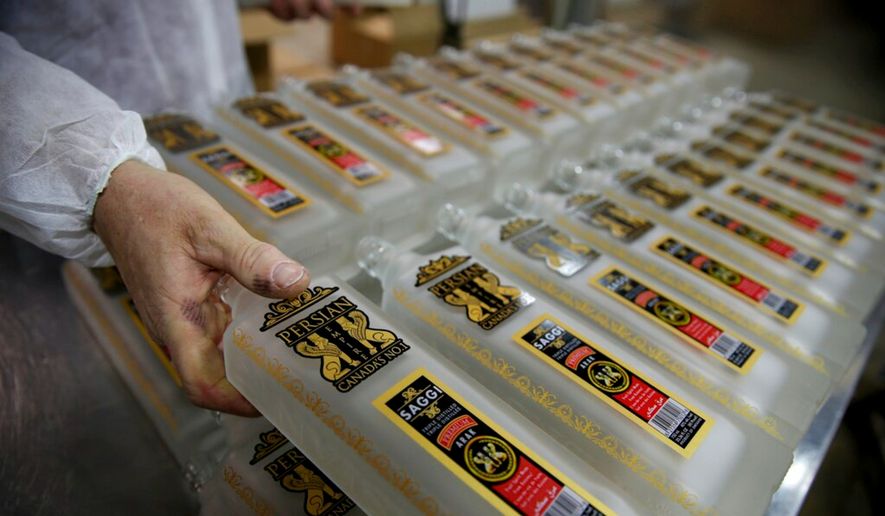

A major lobby for U.S. distillers said Wednesday that President Trump’s ban on Canadian alcohol imports must lead to a positive resolution for both nations, rather than a bitter cycle of revenge.
Chris Swonger, the president and CEO of the Distilled Spirits Council of the United States, said U.S. spirits exports to Canada fell by more than 70% when Canadian provinces pulled American liquor from their shelves.
“We know firsthand the damage these measures can cause, and we do not wish to see Canadian distillers face similar hardship,” Mr. Swonger said. “We are hopeful that this action will bring both governments back to the negotiating table before the ban on Canadian spirits imports takes effect.”
People were interested in these podcasts
The White House announced late Tuesday that it will ban dairy products, alcoholic beverages and motorcycles from Canada as the trade war between the two longtime allies escalates.
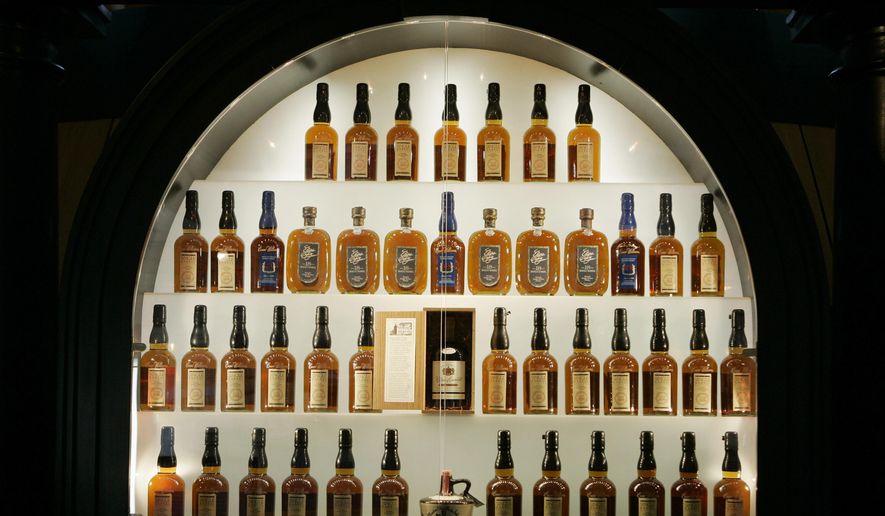
The U.S. ban, which will take effect on Sept. 29, also includes whey, molasses, and nonalcoholic beer.
The decision is part of a U.S.-Canada trade war that began with Mr. Trump’s summertime threat to impose 50% tariffs on a suite of Canadian products.
SEE ALSO: Trump escalates ally trade war, bans Canadian dairy, liquor and motorcycles from U.S.
He said Canada imposed trade barriers on the U.S. while giving other nations favorable treatment. Negotiations to stave off the tariffs fell apart, with both countries accusing the other of ruining talks.
Canada imposed retaliatory tariffs on Tuesday, so Mr. Trump imposed his ban on select products.
A senior administration official said Canada set the precedent for banning imports when major Canadian provinces boycotted or outright banned U.S. alcohol in response to Mr. Trump’s tariffs in early 2025.
Alberta and Saskatchewan are the only provinces that have since lifted their bans, according to the spirits council.
“We urge leaders on both sides of the border to reach a resolution that restores U.S. spirits to retail shelves throughout Canada and returns the spirits sector to a permanent zero-for-zero tariff framework,” Mr. Swonger said.
Also Tuesday, Mr. Trump said he would prohibit the use of Canadian products in U.S. government contracts.
He said Canada banned U.S. companies from their government procurement market while Ottawa still had access to the U.S. market at the expense of domestic companies.
The bans are a change of pace for Mr. Trump, who until now carried out his trade punishments through tariffs, or duties imposed on foreign goods brought into a country’s markets.
Tariffs are often used to protect domestic industries against unfair competition, while generating revenue for national treasuries.
Mr. Trump also uses tariffs to gain leverage over other countries in negotiations.
Critics of sweeping tariffs say they disrupt trade, weaken bilateral ties and raise prices when importers pass along the cost of duties to consumers.
Contact the author

Please read our comment policy before commenting.