



OPINION:
My mother died a few weeks ago after a prolonged decline. She was 93, and for much of the last two years of her life, she was bedridden. Her memory was spotty. That was no doubt tough on her, and it was tough on the family.
Fortunately for us, we had my sister Beth, who sacrificed pretty much all her own life to care for our mother in her final years. My other sisters, Faith and Helen, pitched in where they could, but Beth shouldered most of the work and responsibility. She was no stranger to caring for the dying, having also cared for her older sister, her husband and her mother-in-law.
I am certain that each of those experiences was at times difficult, lonely and discouraging. Still, Beth never complained. She endured the sacrifices gracefully and with her trademark blend of humor, fatalism and a deep and abiding faith in God.
People were interested in these podcasts
She is not alone. In the United States, family members who provide home care are an important component of the American healthcare system. As the population ages and more people live with chronic illnesses and disabilities, families are increasingly — although no doubt warily — taking responsibility for caring for loved ones in their homes.
According to the 2025 Caregiving in the U.S. report from AARP and the National Alliance for Caregiving, 63 million American adults — about 1 in 4 U.S. adults and up from 45 million 10 years ago — provided ongoing care during the previous year to an adult or child with a medical condition or disability.
Just about all of them — 59 million — cared for adults with complex medical conditions or disabilities. The increase is a consequence of an aging population, longer life expectancies, the high cost of institutional care and a growing preference among older Americans to remain in their own homes and communities.
In our family, my sisters decided they could provide better care than any other option. Although that was a difficult decision, they were almost certainly correct. Still, the burden on them was significant.
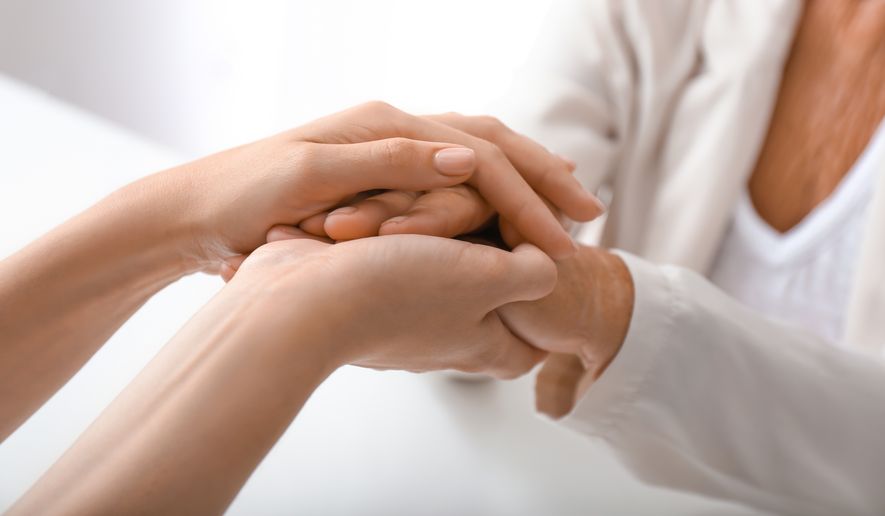
Family caregivers perform the same basic chores as professional home health and long-term care providers. They prepare meals, assist with bathing and dressing, administer medications, help with mobility, monitor health conditions, arrange medical appointments and communicate with doctors and other health professionals.
Some perform complex medical tasks, such as giving injections or changing wound dressings. All of them worry deeply about the loved ones in their care. There are, of course, other challenges. About one-third of family caregivers are raising children at the same time. I know my younger sisters were.
About half of the caregivers reported that the effort had cost them financially, about 40% reported emotional stress and about 25% reported trouble caring for their own physical health.
I am certain that now is the moment to note that all this “free” work is worth more than $1 trillion to the economy and to recommend some sort of public policy response. Still, that is such small beer when considered against the magnitude of the gifts given and effort expended by families to help their own people get better, get by or pass into eternity as best they can.
The efforts of these caregivers — all the hours given, sacrifices made, events missed — should be honored by each of us.
My sister Beth has spent much of her life making things better for her loved ones, ensuring that their last days here were as good as possible and that they were at home, at the end, instead of in an impersonal and mostly indifferent hospital, nursing home or hospice.
For that, for my sister Beth who worked so diligently to make it that way — and for all those still doing the same — we are all grateful.
• Michael McKenna is a contributing editor at The Washington Times.
Follow the author

Please read our comment policy before commenting.