



OPINION:
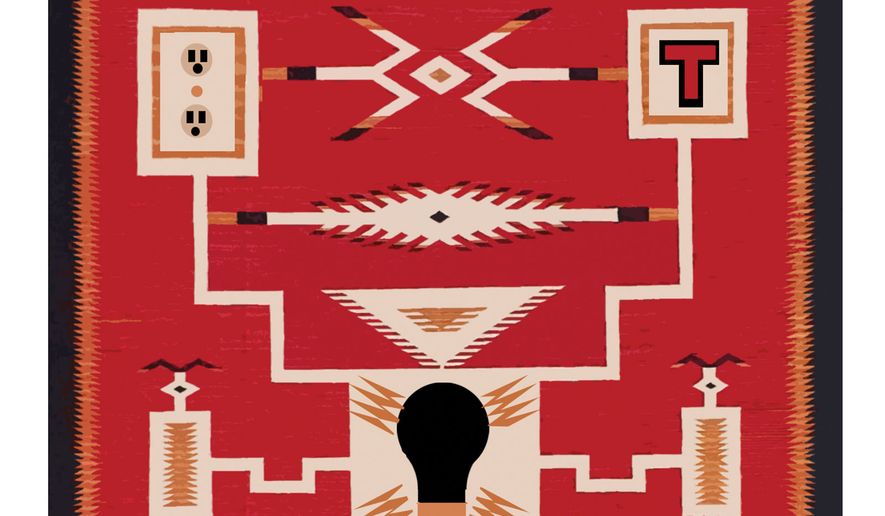
In September 2024, the Biden Interior Department announced a rare good use of Inflation Reduction Act cash: electrification for homes across 13 tribal communities.
Two years later, the money is nowhere to be seen.
The funding — the second and final round in a $150 million allocation to the Bureau of Indian Affairs’ Tribal Electrification Program — was intended to boost the number of tribal homes with reliable power, using “clean” sources.
People were interested in these podcasts
Some 17,000 tribal homes lack electricity, affecting at least 54,000 people, and tribal communities are 6.5 times more susceptible to power outages than the national average, according to a 2023 Energy Department report.
Most of the unelectrified homes are in the Southwest and Alaska.
In August, the Trump Energy Department’s Office of Indian Energy released a strategic plan in response to “systemic energy insecurity on tribal lands.”
That seems well-intentioned, but what about the funding already promised to address this very problem?
When I contacted the Interior Department’s Indian Affairs Office to learn when the tribes might receive the money, I was told that under President Trump, “the department is working to cut bureaucratic waste and ensure taxpayer dollars are spent efficiently. This includes ensuring projects that use funds from the Infrastructure Investment and Jobs Act and the Inflation Reduction Act align with administration priorities.”
Asked whether this meant the funding had been canceled, I was told no; it is “still being assessed.”
My other questions went unanswered.
When a U.S. administration changes, the new president assesses his predecessor’s policies and pet projects and often dispenses with the ones he does not like. That is a given, no matter which party is incoming and which is outgoing; it is one of the perks of the job.
Yet unlike other Inflation Reduction Act spending, this money was not for some fat-cat special interest, Chinese solar company or mosquito birth control. It was to provide a basic service to communities across the U.S.
It would also have helped tens of thousands of people.
Most of the tribes allocated money under President Biden’s Tribal Electrification Program cannot afford to make energy infrastructure investments without federal aid. The construction of transmission lines can cost millions of dollars per mile, and many of these communities lack even the access to capital required to start projects and garner investor interest.
Many tribal households without a stable grid connection live in ways that most comfortable middle-class Americans would have a hard time fathoming: purchasing blocks of ice to keep their perishable foods cold, using propane or kerosene lanterns and wood-burning stoves for heat and depending on small gasoline generators to keep medical equipment powered.
Neither major political party seems to spend much time courting the American Indian vote. For Republicans, perhaps that is because this contingent tends to vote leftward — in 2024, for example, 57% supported Kamala Harris over Mr. Trump. For Democrats, perhaps it is because they take these voters for granted.
Yet for a president who seems to be trying it all in an effort to maintain the Republicans’ government trifecta — promising voters $5,000 checks, striking a Russian diesel fuel deal in an effort to bring down energy prices — making good on a promise already made would be an easy move and a show of good faith to tribal communities.
Who knows? It could just help turn the tide in Republicans’ favor in 2028.
• Anath Hartmann is deputy commentary editor for The Washington Times.
Follow the author

Please read our comment policy before commenting.