



Former special counsel Jack Smith’s investigation into President Trump scooped up information on 639,000 Republican supporters and everyday voters, the Senate’s top lawmaker revealed Wednesday.
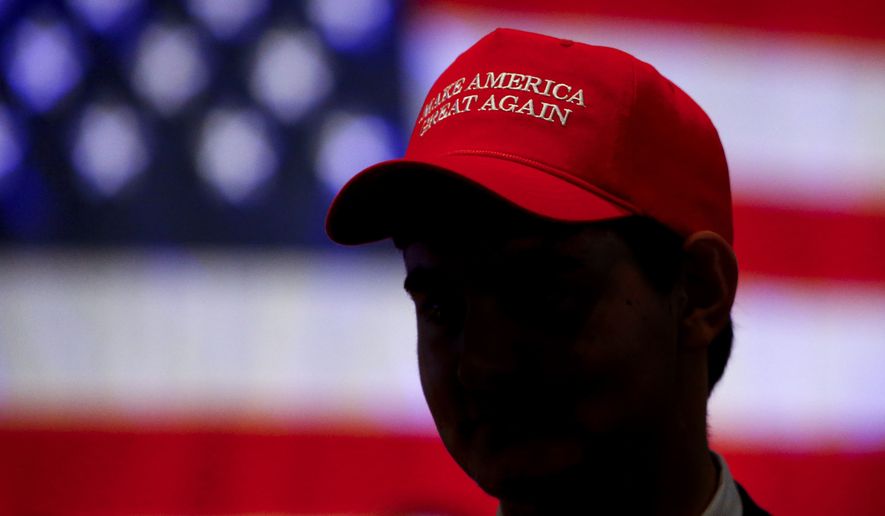
One spreadsheet that Mr. Smith obtained looked specifically at people who bought the iconic red Trump campaign Make America Great Again hats after the 2020 election.
Sen. Chuck Grassley, chairman of the Senate Judiciary Committee and the full chamber’s senior member, called the information obtained “incredibly invasive” and said there was no possible valid reason Mr. Smith needed it for his criminal investigations of the president.
People were interested in these podcasts
“The new findings further corroborate that Smith and his partisan team aimed to map out the entire Republican Party apparatus,” Mr. Grassley, Iowa Republican, said.
The information Mr. Smith collected dated back to 2005 and covered donors and other supporters, as well as everyday GOP voters, Mr. Grassley said.
It was scoured from files turned over by GOP-aligned groups that were forced to comply at the prod of a subpoena, Mr. Grassley said.
The senator learned of the expansive data collection through whistleblowers.
Various spreadsheets that Mr. Smith obtained include information on more than 639,000 GOP-connected individuals. Of those, 148,000 were identified in the spreadsheets as donors, largely making small-dollar contributions.
Data collected included names, dates of birth, credit card information and occupations.
Mr. Grassley, in a memo detailing his new findings Wednesday, said Mr. Smith’s data didn’t just focus on big-time donors.
Those who gave as little as $1 were part of the data he scooped up.
Mr. Smith also obtained lists of Trump campaign personnel, which “potentially include campaign volunteers.”
Mr. Grassley released two pages from a spreadsheet detailing 158 people who bought MAGA hats on Nov. 16, 2020.
He said Mr. Smith also collected a copy of the Trump campaign’s merchandise catalog, which sold t-shirts, mugs, posters and welcome mats.
Mr. Smith, in testimony to Mr. Grassley and the Senate Judiciary Committee last month, defended his probe but declined to answer specific questions about the extent of his subpoenas.
“I do not recall because I’ve not seen those subpoenas in a very long time,” he said.
Republicans have accused Mr. Smith of misleading in previous testimony to Congress in December, when he said he didn’t seek the contents of messages from members of Congress.
GOP lawmakers say he did, in fact, end up with them, by culling them from exchanges they had with members of the White House.
Democrats defended Mr. Smith, saying he gave a precise answer and if Republicans are upset, it’s because they asked the wrong question.
He said the wide net he cast was an attempt to figure out the contours of Mr. Trump’s actions in challenging the results of the 2020 election.
Sen. Ted Cruz told Mr. Smith he issued 197 subpoenas covering at least 430 Republican organizations. The Texas Republican called that “a massive fishing expedition.”
“I do not recall those numbers,” Mr. Smith replied.
Mr. Smith, appointed by then-Attorney General Merrick Garland, would go on to bring two criminal cases against Mr. Trump.
One, in federal court in Florida, accused Mr. Trump of mishandling classified documents. That case was dismissed by a judge who said Mr. Smith was improperly appointed. He was appealing when the 2024 election cut short his plans.
The other case, brought in federal court in Washington, accused the president of trying to subvert the 2020 election, including by fomenting the mass intrusion at the Capitol that disrupted the Electoral College count on Jan. 6, 2021.
The Supreme Court undercut some of Mr. Smith’s charges, and he was in the process of trying to rewrite his case when it, too, was ended by the 2024 election.
The Justice Department has a policy of not pursuing charges against the president, who is its boss.
Contact the author

Please read our comment policy before commenting.