



OPINION:
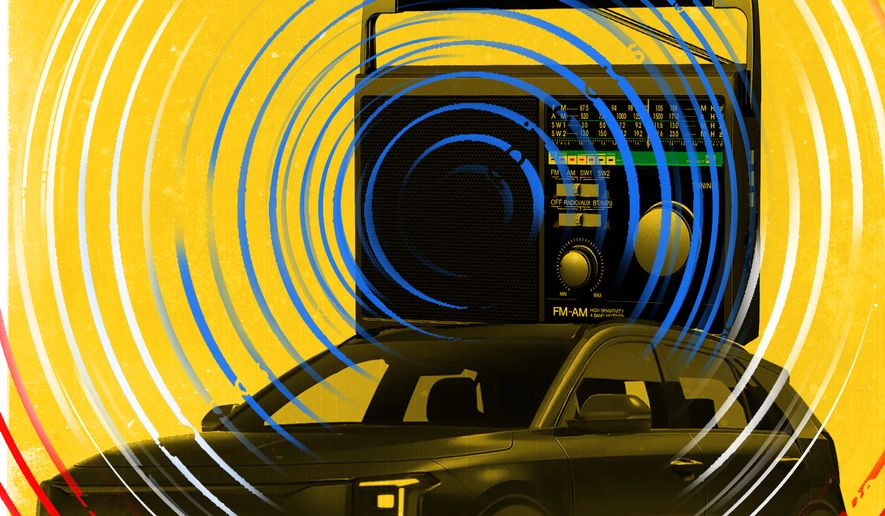
The midterm elections have put Washington’s biggest debates front and center, but there is another important issue: whether millions of Americans can count on a lifesaving connection when they need it most. That is AM radio.
In September, the House passed the AM Radio for Every Vehicle Act, legislation to ensure that AM radio remains available in new vehicles.
Now it is the Senate’s turn to act.
People were interested in these podcasts
At first glance, it may seem like a debate about nostalgia — old technology versus new — but that is the wrong way to think about it. The real question is not whether Americans should listen to AM radio. It is whether they should continue to have access to every available tool for receiving critical information during a crisis.
Ask Charlotte, a longtime AARP volunteer in rural Kentucky. She has lived through a major ice storm and a tornado, and she describes AM radio as a lifeline. When the power went out, phone service failed and other communications went dark, neighbors went to their cars and turned on the AM dial to find out what was happening.
“It’s not the right thing for rural Kentucky to even consider taking AM radio out of vehicles,” she says.
Her story is not unique. Nearly one-quarter of Americans 65 and older live in rural communities where cellular and broadband coverage can be less reliable, especially during disasters. Recent data shows that 79% of older adults believe it is important to preserve AM radio in vehicles, particularly for emergency alerts and general access.
Most of us do not spend much time thinking about how emergency information reaches us. We assume that it will be there when we need it, but hurricanes, wildfires, floods, tornadoes and ice storms have a way of testing those assumptions. Power can be lost, internet access can disappear, cellular networks can be strained or knocked offline entirely.
The communications systems we rely on every day do not always function as expected when conditions are at their worst. Fire chiefs have seen this firsthand. Emergency response is built on redundancy because no single communications system works every time. The more ways critical information can reach the public, the better equipped families are to make informed decisions and the safer communities become.
Safety comes from having reliable, resilient communications. Americans are safer when emergency information reaches them through multiple channels rather than a single source. Wireless alerts, broadband networks, television broadcasts, satellite services, local notification systems and radio each play a role. Americans deserve to have as many reliable pathways to information as possible when safety is on the line.
That is why AARP and the International Association of Fire Chiefs have come together on this issue. Our organizations serve different constituencies, but we share a commitment to helping Americans prepare for emergencies and protecting lives when disaster strikes.
At AARP, we have long worked to help older adults and their families prepare for emergencies and recover from disasters. Whether the threat is a hurricane, wildfire or flood, one lesson emerges time and again: timely, reliable information saves lives. We encourage families to build emergency plans and stay informed before disaster strikes.
Yet preparedness works only if people can receive the information when it matters.
For older Americans, that principle is especially important. Millions live independently in communities across the country, including rural areas where communications options may be limited. Families deserve confidence that parents, grandparents, friends and neighbors can access vital updates during an emergency — no matter where they live.
Congress now has a chance to protect access to a resilient tool that millions of Americans rely on. The Senate should pass the AM Radio for Every Vehicle Act before the end of this year and send it to the president’s desk.
When disaster strikes, Americans will not care whether lifesaving information reaches them through the newest technology or one that has been around for generations. They will care that it arrives when they need it most.
• Steven Locke is fire chief, president and board chair of the International Association of Fire Chiefs. Jenn Jones is vice president of government affairs, financial security and livable communities at AARP.
Please read our comment policy before commenting.