



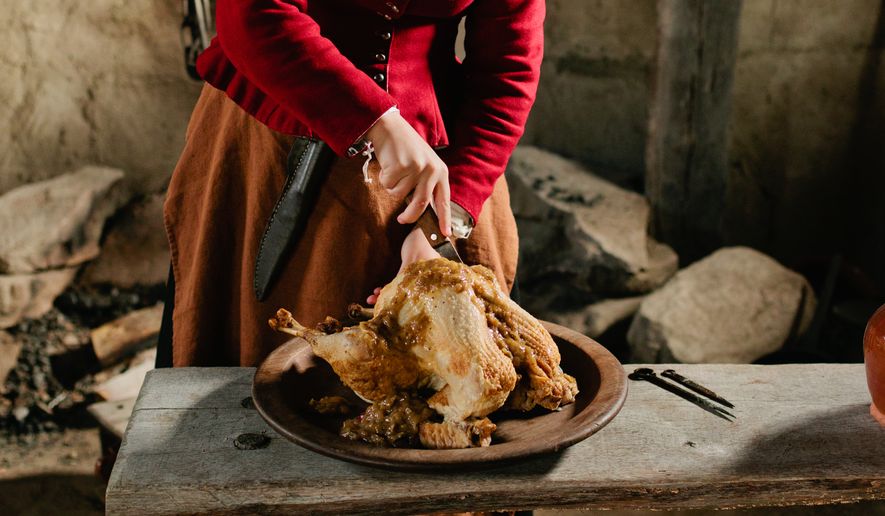
Turkey? Probably. Pumpkin pie? Probably not. Cranberry sauce? No way. Today’s Thanksgiving meal has only a few things in common with that first thankful dinner in 1621, historians say.
Richard Pickering, deputy executive director and senior historian at Plimoth Patuxet Museums in Plymouth, Massachusetts, says the first meal was probably a lot less sweet and a lot more gamy. Think venison and pheasant.
“The images of particulars of this long-ago autumn celebration are so familiar that many people mistakenly believe that the event and the food were thoroughly documented. Would that this were true!” Mr. Pickering said in an email. “Unfortunately, the only written record of the event mentions just two food items — deer and wildfowl — and doesn’t give a hint about what else was eaten or how the food was prepared or served.
People were interested in these podcasts
“For that information, we need to look to other 17th-century sources — European paintings and drawings, period cookbooks, artifacts, Wampanoag oral histories, archaeological evidence, and the journals and writings of the colonists themselves to make educated guesses about details of the celebration,” he said.
The two accounts of the harvest festival come from Plymouth Colony Gov. William Bradford and Edward Winslow, who traveled from England on the Mayflower in 1620 and became a senior leader of the Plymouth Colony.
According to Winslow, four men were “sent on fowling” in preparation for the festivities, returning with enough supply to feed the 50 Plymouth colonists for almost a week.
But the clearest evidence of turkey at the first Thanksgiving comes from Bradford’s account of Plymouth’s bounty in the fall of 1621:
“All summer there was no want; and now began to come in store of fowl, as winter approached, of which this place did abound when they first came (but afterward decreased by degrees). And besides waterfowl, there was great store of wild turkeys, of which they took many, besides venison, etc. Besides, they had about a peck a meal a week to a person, or now since harvest, Indian corn to that proportion. Which made many afterwards write so largely of their plenty here to their friends in England, which were not feigned but true reports.”
Mr. Pickering said venison and turkey “went hand in hand in describing the abundance of the Pilgrims’ first autumn in New England.”
But cranberry sauce and pumpkin pie?
Cranberries were a native seasonal fruit, but printed recipes for sweetened cranberry sauce or tart didn’t appear until roughly half a century later.
And Mr. Pickering said that pumpkin was very likely on the harvest table in some form, but not as a pie.
“New Plymouth probably lacked the butter or lard and wheat flour in substantial enough quantities to make a pie crust,” Mr. Pickering said. “The earliest written recipes for pumpkin pie came after 1621, and those treated pumpkins more like apples, slicing them and sometimes frying the slices. Although the English were familiar with pies from at least the 13th century, there were no apples in Plymouth yet, so those could not be made into pies either.”
Danielle Alonso-Wynne, curator of Indigenous Material Culture and Research at Plimoth Patuxet Museums, said the harvest meal likely featured a smorgasbord of indigenous foods, including flint corn.
“The Wampanoag also taught the English colonists how to plant and grow native corn in the spring of 1621,” Ms. Alonso-Wynne said. “It is also possible that Wampanoag women prepared traditional dishes for the celebration, although historical accounts do not confirm their presence.”
Today, some Wampanoags celebrate Thanksgiving among family and friends by engaging in the tradition of holding a service at the Old Indian Meeting House in Mashpee on Cape Cod. Others protest colonialism or paint their faces as a sign of mourning for lost American Indian heritage.
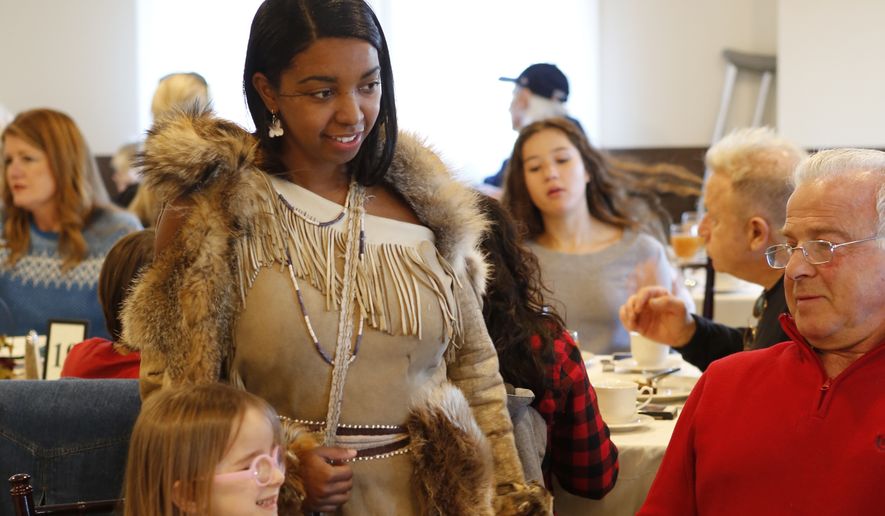
At the Plimoth Patuxet Museums, reenactors portraying Indigenous people and English colonists perform informative roles for visitors each year, including Thanksgiving Eve, Thanksgiving Day and Black Friday.
Visitors are invited to take part in the celebratory feast where reenactors, Indigenous peoples and historians bring the historical memory to light around a table of Thanksgiving dishes.
According to the museum’s website, with every dining ticket, guests enjoy two days of free admission to the museum “to explore, reflect, and discover.”
“The evolution of Thanksgiving is not over. Rather, it continues each year when diverse people gather to break bread, learn from one another, and, in turn, shape the future of this American holiday,” Mr. Pickering said.
Contact the author

Please read our comment policy before commenting.