


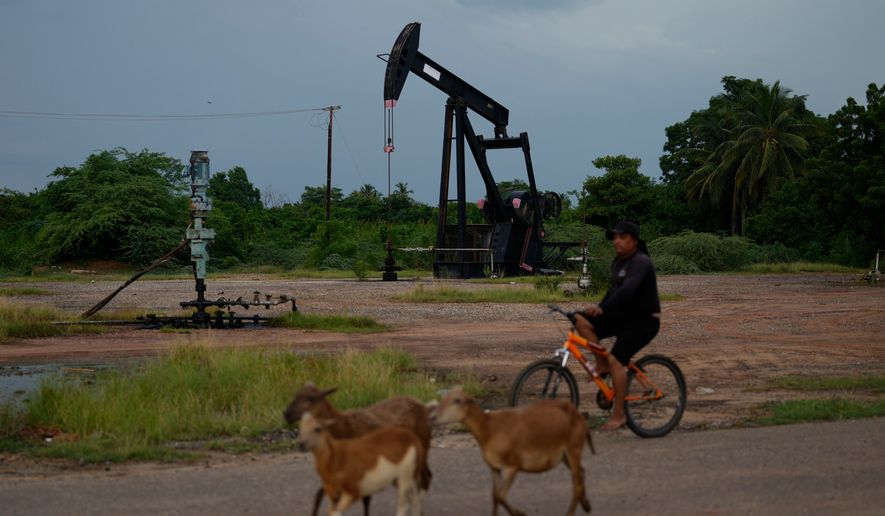

The U.S. is still the largest single buyer of Venezuelan oil, according to data published this month by the U.S. Energy Information Administration, with the toppling of former President Nicolas Maduro and the crisis in the Strait of Hormuz driving the trend.
At its peak this year, Venezuela exported just over 701,000 barrels of oil a day in July to the U.S. That figure has dropped off slightly, with exports easing to 655,000 barrels a day in August and falling 29% to about 449,000 barrels a day in October.
Before Mr. Maduro’s arrest, U.S. imports of Venezuelan oil were close to zero due to sanctions Washington imposed on Petroleos de Venezuela, the country’s state-owned oil company.
People were interested in these podcasts
Since then, the Trump administration has grown increasingly close to the interim government in Venezuela, led by Mr. Maduro’s vice president, Delcy Rodriguez. Washington inked in August a bilateral oil agreement, giving a private U.S.-based company access to roughly 65 billion barrels of proven oil reserves in the country.
The surge also follows massive trade disruptions in the Middle East due to the U.S.-Israeli war with Iran, which President Trump initiated in late February. Iran retaliated by closing the Strait of Hormuz, a vital shipping pathway used by Persian Gulf nations to transport oil and natural gas.
That closure has led to a monthslong spike in international oil prices, and a subsequent rise in domestic gas prices in the U.S.
Mr. Trump has repeatedly tied the U.S. oil agreement with Venezuela, and the increase in oil exports, to an incoming decrease in gas prices.
But analysts have warned that the shipments will not translate to lower prices at the pump in the near future, citing severely degraded oil infrastructure in Venezuela. Much of the initial output from the country is also intended to resupply U.S. military needs in the Middle East and refill the U.S. Strategic Petroleum Reserve.
Contact the author

Please read our comment policy before commenting.