


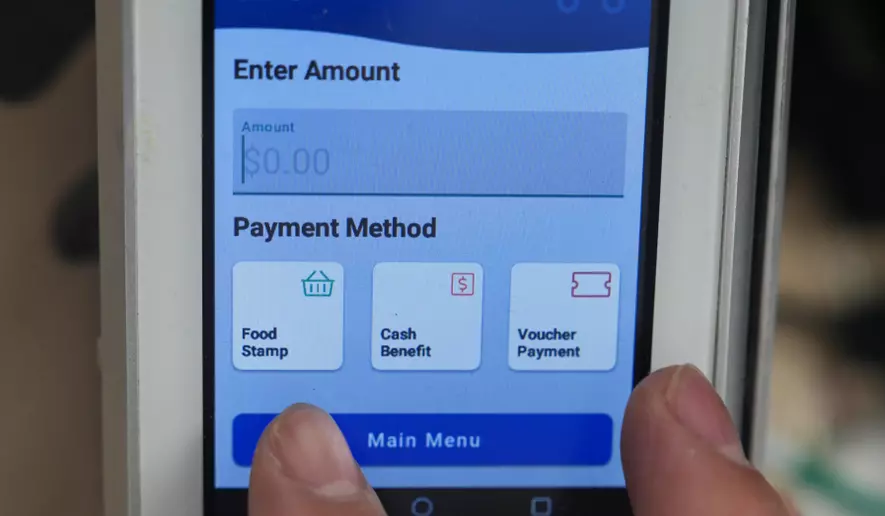

The Trump administration proposed overhauling food stamp eligibility, a move the U.S. Department of Agriculture estimates would cut 6.3 million people from the nation’s largest food assistance program by fiscal 2029.
The department on Tuesday published a proposed rule in the Federal Register that would limit automatic eligibility for the Supplemental Nutrition Assistance Program (SNAP) to households that receive Temporary Assistance for Needy Families cash assistance, known as TANF.
SNAP provides food benefits to low-income families to help pay for groceries.
People were interested in these podcasts
Under broad-based categorical eligibility, 45 state agencies let households qualify for SNAP automatically through non-cash benefits funded by TANF, such as child care or job training, without meeting the federal income test.
The proposed rule would end that option, but households receiving TANF cash assistance would remain automatically eligible.
“These revisions would ensure that SNAP benefits are targeted to needy households that have qualified for TANF assistance while still aligning categorical eligibility’s statutory purpose of simplifying program administration,” the proposal says.
The Agriculture Department said Congress created categorical eligibility to reduce paperwork, not to expand who qualifies. The proposal says the change would “preserve benefits for the truly needy.”
The department estimates about 3.2 million households, or 6.3 million people, would no longer qualify once the rule is fully in effect, about 18% of SNAP participants. It also estimates about 1.8 million children would lose automatic eligibility for free school meals.
The department projects the change would reduce federal SNAP spending by about $44.6 billion from fiscal 2027 through 2031.
States that use the option set their own gross income limits, generally between 130% and 200% of the federal poverty level. The standard federal SNAP gross income limit is generally 130%.
The proposal is not final, and the public has 30 days to comment. The first Trump administration proposed a similar rule in 2019, and the Biden administration withdrew it in June 2021, according to the Federal Register.
More than 36 million people received SNAP benefits in June 2026, according to Agriculture Department data. The program served an average of 42.1 million people per month, about 12.3% of U.S. residents, during fiscal 2025, according to the USDA Economic Research Service.
The Food Research & Action Center said in a statement that it is concerned the impact could be “far worse than projected.”
“We urge the administration to rescind this proposed rule and instead prioritize and support access to SNAP and the other federal nutrition programs that are key to building a nation free from hunger,” the center said.
The center also said more than 5.5 million people have lost access to SNAP since the One Big Beautiful Bill Act was enacted in July 2025.
It said it is “unconscionable” that the Trump administration would try to issue the proposed rule, “given the harm that the [One Big Beautiful Bill Act] has already unleashed.”
The law expanded SNAP work requirements to adults ages 55 to 64 and parents of children 14 and older, and ended exemptions for veterans, homeless people and young adults who aged out of foster care.
Affected adults must document 80 hours a month of work, training or volunteering or face a three-month limit on benefits in a three-year period.
Contact the author

Please read our comment policy before commenting.