


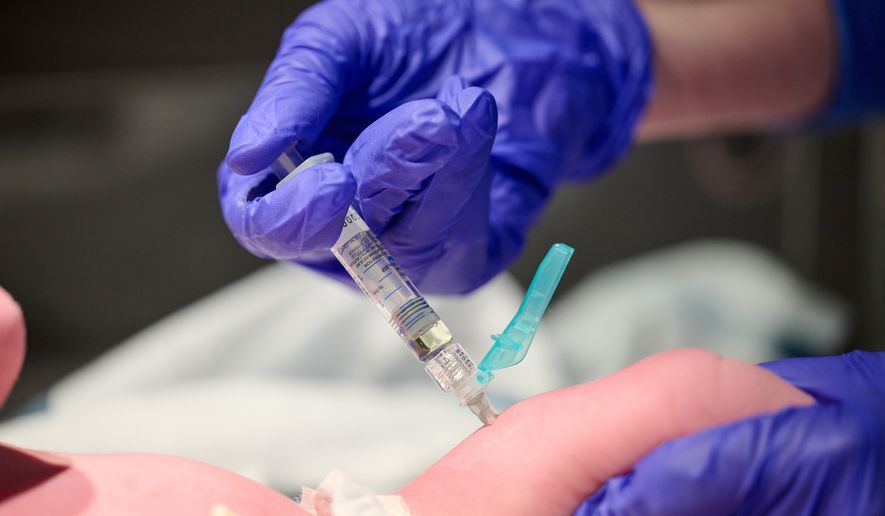

Parental abstention from giving babies vitamin K shots at birth is causing more bleeding incidents in babies, according to a new Journal of the American Medical Association study.
Looking at 5.2 million U.S. babies, the study found that in 2017, 3.1% did not receive vitamin K and that by 2025, 6.8% percent of American newborns were not receiving the shot.
The rate of bleeding incidents in the first six months was higher for babies who did not get the shot, at 288 per 10,000 births, as opposed to 186 per 10,000 births.
People were interested in these podcasts
The vitamin K shot has been administered since 1961. Babies are born with a low amount of the vitamin, which helps them make proteins that in turn form blood clots. The shot makes up for that lack and helps prevent vitamin K deficiency bleeding in babies younger than six months, the Centers for Disease Control and Prevention said.
The CDC also said vitamin K deficiency bleeding is 81 times more likely in babies that did not receive the shot at birth, and that one in five babies that suffer vitamin K deficiency bleeding die as a result.
Babies generally stop being at risk for vitamin K deficiency bleeding after they turn six months old and are able to eat solid foods which contain vitamin K, the American Academy of Pediatrics says on its website.
Please read our comment policy before commenting.