


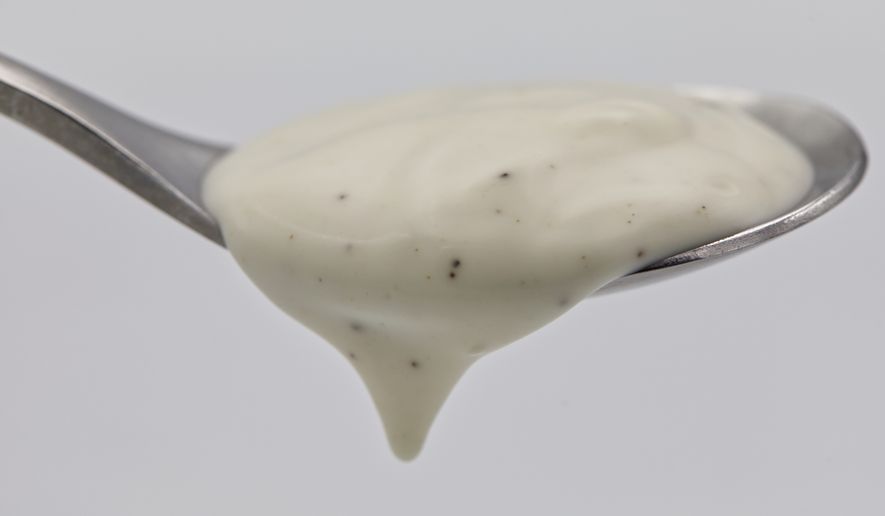

The Transportation Security Administration has a message for the wave of international soccer fans who have discovered ranch dressing during the 2026 FIFA World Cup: Pack it in your checked bag, or leave it behind.
As international fans have descended on the United States for the World Cup — hosted across the U.S., Canada and Mexico — ranch dressing has emerged as one of the more viral stars of the tournament. Europeans in particular have been flooding social media with stunned reactions to the creamy condiment, and the TSA has seized on the moment with a series of deadpan warnings.
The agency reinforced its limits on liquids in carry-on baggage, predicting an uptick in travelers attempting to bring full bottles home.
People were interested in these podcasts
“If you’re visiting for a very large sporting event & you happen to discover RANCH while you’re here … pls pack it in your CHECKED BAG on the way home,” the TSA wrote in an Instagram post, reminding fans that sauces and dressings fall under standard liquid rules.
Under TSA rules, liquids, gels and sauces in carry-on bags must be 3.4 ounces or less and fit inside a quart-sized bag. Anything larger must go in checked luggage.
The TSA’s Instagram account, which bills itself as “Travel Tips & Dad Joke Hits,” rolled out four separate posts on the subject during the tournament’s first week. On June 10, the agency posted on Threads: “Days since last airport ranch incident: 0,” and followed with: “Ok, please avoid chugging your ranch outside security, the airlines will check it for you.” The TSA also shared photos of ranch bottles that agents had to confiscate from travelers attempting to bring them through checkpoints.
An earlier post on June 9 warned that a carry-on “wasn’t actually made for checks notes 4 bottles of ranch & a taser.”
The agency then consolidated the posts on its Instagram grid on Wednesday, appending a caption fit for a diplomat: “Who knew dip-lomacy could be achieved through addressing the obvious: ranch is the king of condiments. The world is slowly discovering ranch pairs perfectly with pizza, chicken wings, fries, onion rings, quesadillas, crackers, chips, vegetables, and the list just keeps growing.”
The whole episode was sparked by a viral X post from Swedish traveler Elsa Thora. On June 8, she wrote: “Why did no one tell me ranch sauce is like crack? EUROPE WE NEED RANCH ASAP” — a post that received over 49,000 likes. Travel + Leisure reported her post had been viewed more than 9.5 million times.
Other brands quickly joined the conversation. Heinz inquired whether the liquid rules applied to ketchup as well, Jack in the Box noted that its ranch packets are “TSA approved” and Tabasco reminded travelers that its mini bottles clear the carry-on limit and are cleared for stadiums.
The agency capped its campaign with a line that spread nearly as fast as the dressing itself: “Some heroes wear capes. Others bring ranch.”
Ranch dressing is a quintessentially American invention. According to the source article, the late plumbing contractor Steve Henson first whipped it up for workers in Alaska before serving it to guests at Hidden Valley dude ranch in California — a business he and his wife had opened. It became so popular that he packaged it as a dry mix and started a mail-order operation in the 1950s, eventually selling the brand to the Clorox Company. Ranch has since become the best-selling salad dressing in the United States, a title it has held since the end of the 20th century, according to the Associated Press.
This article was constructed with the assistance of artificial intelligence and published by a member of The Washington Times' AI News Desk team. The contents of this report are based solely on The Washington Times' original reporting, wire services, and/or other sources cited within the report. For more information, please read our AI policy or contact Steve Fink, Director of Artificial Intelligence, at sfink@washingtontimes.com
The Washington Times AI Ethics Newsroom Committee can be reached at aispotlight@washingtontimes.com.
Please read our comment policy before commenting.