



OPINION:
Natural disasters, pandemics, and mass casualty events do not recognize state lines. They do not care about jurisdiction, bureaucracy or licensing requirements. When lives are on the line, we rely on a special kind of public servant to answer the call: our medical professionals.
Yet, during some of our nation’s greatest emergencies, government red tape has stood in their way.
Hurricane Milton, which struck Florida’s Gulf Coast in October 2024, exposed a problem that should concern every American. Under some interpretations of current federal law, doctors, nurses and emergency medical personnel responding from other states could not immediately provide care because they were not licensed where the disaster occurred. At the very moment we needed every available set of skilled hands, outdated rules created unnecessary barriers.
People were interested in these podcasts
We learned the same lesson during the COVID-19 pandemic. While supporting operations in El Paso, Texas, the Department of Homeland Security authorized the use of out-of-state medical personnel. Without that flexibility, we would have been forced to pull healthcare workers from local hospitals that were already stretched to their limits.
Those experiences reinforced something I have long believed: our emergency response system must be built around saving lives, not navigating paperwork.
That is why I introduced H.R. 6211, the Medical Professional Access Act. The legislation expands license portability for healthcare practitioners across all disciplines who provide services during a federally declared emergency.
The bill is straightforward. It allows federally contracted healthcare professionals to respond wherever they are needed while protecting local healthcare systems from unnecessary staffing shortages. Too often, relief organizations are forced to recruit doctors and nurses from hospitals already struggling to care for their own communities. Robbing Peter to pay Paul has never been an effective strategy, especially during a crisis.
Disasters do not stop at state borders. Our emergency response system should not either.
Some will argue this legislation is a step toward a National Medical License. I believe that would be a welcome development.
There are times when limited government requires the federal government to establish clear national standards. Interstate commerce is governed by federal law because commerce does not stop at state lines. National defense operates the same way. Under Title 10 authority, the president can federalize National Guard units when national security demands it.
National emergencies deserve the same practical approach.
A national medical license would allow qualified physicians, nurses, and other healthcare professionals to practice wherever they are needed. It would give medical professionals greater flexibility to relocate to communities facing workforce shortages while reducing unnecessary administrative barriers. More importantly, it would strengthen our ability to respond to the next pandemic, hurricane, wildfire or other national emergency without repeating the mistakes we witnessed during COVID-19 and disasters like Hurricanes Milton and Helene.
As both a physician and a member of Congress, I have seen what happens when healthcare systems are overwhelmed. In an emergency, minutes matter. Bureaucracy should never determine whether a patient receives care.
Our responsibility in Congress is to solve problems, not preserve outdated systems simply because they have always existed. The Medical Professional Access Act is a practical step toward modernizing disaster response, addressing healthcare workforce shortages during emergencies, and ensuring that qualified medical professionals can do what they were trained to do when Americans need them most: save lives.
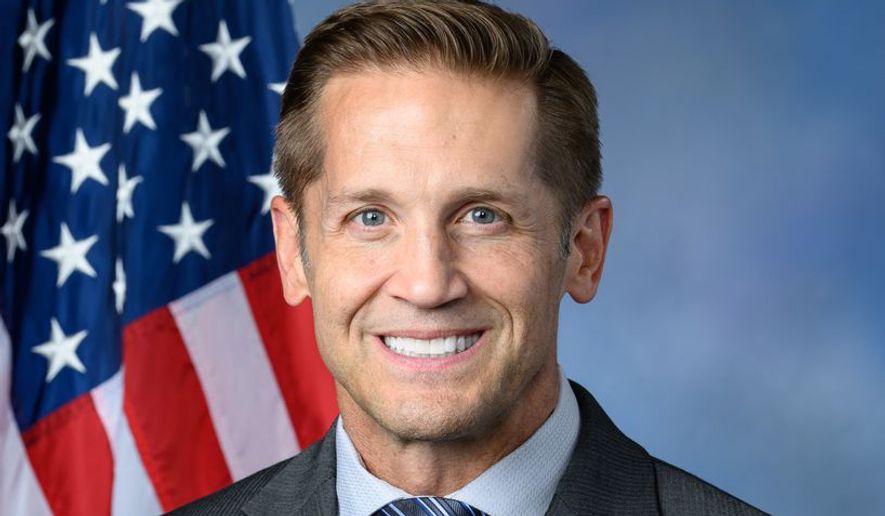
• Dr. Rich McCormick is a decorated veteran and Emergency Room physician who proudly serves Georgia’s 7th Congressional District in the United States House of Representatives. He serves on the House Armed Services, House Oversight, and Science, Space, and Technology Committees.
Please read our comment policy before commenting.