



A version of this story appeared in the daily Threat Status newsletter from The Washington Times. Click here to receive Threat Status delivered directly to your inbox each weekday.
OPINION:
Military aviation has always been deeply personal to me. Military aviators operate at the tip of the spear. They launch from aircraft carriers in darkness, navigate rapidly changing conditions and make split-second decisions in some of the world’s most unforgiving environments. These missions require exceptional skill, physical endurance, sound judgment and unwavering dedication.
American military aviation is second to none, not simply because we operate the world’s most advanced aircraft, but because of the exceptional patriots who fly them. Their professionalism, sacrifice and commitment to the mission embody the very best of America.
Our national security depends on their ability to succeed. Whether they are defending American forces, deterring our adversaries, delivering humanitarian assistance or supporting operations around the world, military aviators are always ready to accomplish the mission.
People were interested in these podcasts
We owe them the same level of commitment.
Protecting aviator health is essential to maintaining military readiness. Our aviators are among our nation’s most highly trained and valuable assets. We invest years and significant resources preparing them to operate sophisticated aircraft under demanding conditions. Our military has made tremendous advancements in aircraft safety, protective equipment, medical care and human-performance programs. However, we still have more to learn about the unique conditions of military aviation including altitude, pressure changes, repeated acceleration, high-G forces and demanding operational schedules. To answer these questions, we must use research and innovation to make our world-class aviation force even stronger.
As both a former Navy helicopter pilot and a nurse practitioner, I believe good healthcare policy must be guided by evidence. That is why I introduced the Warrior Impact from Neurological and G-Force Stress (WINGS) Act.
The WINGS Act directs the secretary of Veterans Affairs to conduct a long-term study of military aviation veterans. By examining flight histories, operational exposures and long-term health outcomes, this research will help military leaders and medical professionals strengthen aviator health, sustain peak performance and preserve operational readiness throughout an aviator’s career.
That knowledge can help us enhance preventive care and ensure aviators remain healthy, capable and mission ready. It can also help defense officials improve protective equipment, training practices and health-monitoring programs for the next generation of aviators.
I am encouraged that a version of the WINGS Act focused on late-career military aviators was included in the Fiscal Year 2027 National Defense Authorization Act. Together, these efforts can help the Departments of Veterans Affairs and War better support aviators across the entire span of their service.
Our nation is free because generations of patriots have answered the call to serve. Today’s military aviators carry that proud legacy forward with unmatched skill, courage and devotion to duty, ensuring America remains strong, secure and ready to confront any threat.
Our aviators will always answer the call and accomplish the mission. Our responsibility is to demonstrate that same unwavering commitment by protecting their health, supporting their readiness and honoring their service — not only while they are in the cockpit, but throughout their lives.
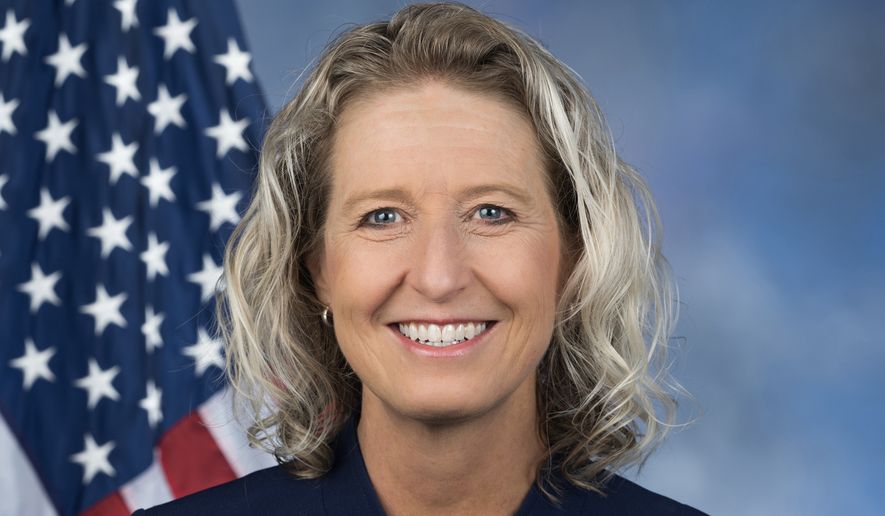
• Rep. Jen Kiggans represents Virginia’s 2nd Congressional District in the U.S. House of Representatives. She serves on the House Armed Services, Veterans’ Affairs and Natural Resources committees. Prior to public office, she served 10 years as a U.S. Navy helicopter pilot, flying H-46 and H-3 helicopters and completing two deployments to the Persian Gulf, and then worked in the healthcare system as a geriatric nurse practitioner.
Please read our comment policy before commenting.