



OPINION:
In the famous movie “Braveheart,” William Wallace, as portrayed by Mel Gibson, was ultimately tortured to death. In his final moments, when given a chance to seek mercy, he yelled one word, “Freedom!”
This is only a movie (the real Wallace was killed even more gruesomely than the movie portrays and almost certainly did not shout anything). But the emotional impact of this scene was especially powerful for Americans.
Freedom is a word that is close to the heart of the American experience. The men who came to Concord and Lexington in 1775 to stop the British Army from confiscating their weapons were fighting for freedom.
People were interested in these podcasts
They had trained for months. They knew that freedom had to be won on the battlefield. The British Army had a long tradition of defeating popular uprisings in England, Wales, Scotland and Ireland. As recently as 1744, the British Army defeated a rebellion in Scotland in the battle of Culloden. Ironically, many of the Scots who fled British oppression ended up in Western North Carolina and got their vengeance on the British Army in the battle of King’s Mountain 36 years later.
The underlying theme of the movement for the American revolution was the question of tyranny versus freedom. This was in some ways the culmination of a long process that began at Runnymede in 1215.
King John of England was in desperate need of more money. His nobles insisted that he concede key powers to them in return for the money, including a provision that he could only raise future taxes with their approval. Thus, the Magna Carta was signed. This was an enormous step away from the divine rights of kings to do whatever they wanted. Of course, King John broke his word shortly thereafter. But the principle had been established, and British constitutional rights and the rule of law grew steadily from that event.
A copy of the Magna Carta is displayed in the U.S. Capitol as a symbolic reminder of the history from which we came. The following 500 years witnessed a steady increase in the principle that laws matter and must be obeyed, even by kings.
This commitment to freedom and the rule of law was at the heart of the founders’ decision that they had to rebel against the king in the 1770s. There was a long discussion starting in the early 1760s as the British government became increasingly tyrannical and despotic toward the colonies. Winning the Seven Years’ War seemed to infect the British aristocracy with a sense of hubris. Benjamin Franklin went to London to represent the colony of Pennsylvania as a good loyal Englishman. He was so alienated by the arrogance and corruption of the British aristocracy that after 16 years he came home as an American committed to standing up to the crown.
As we celebrate the 250th anniversary of the signing of the Declaration of Independence, we need to remember that this concept of freedom was its foundation.
We are a free people.
We are bound by laws we voluntarily accept, beginning with the Constitution. Our freedom is preserved by the rule of law, the right of free speech and the right to elect those to whom we loan power.
This is the heart of American exceptionalism.
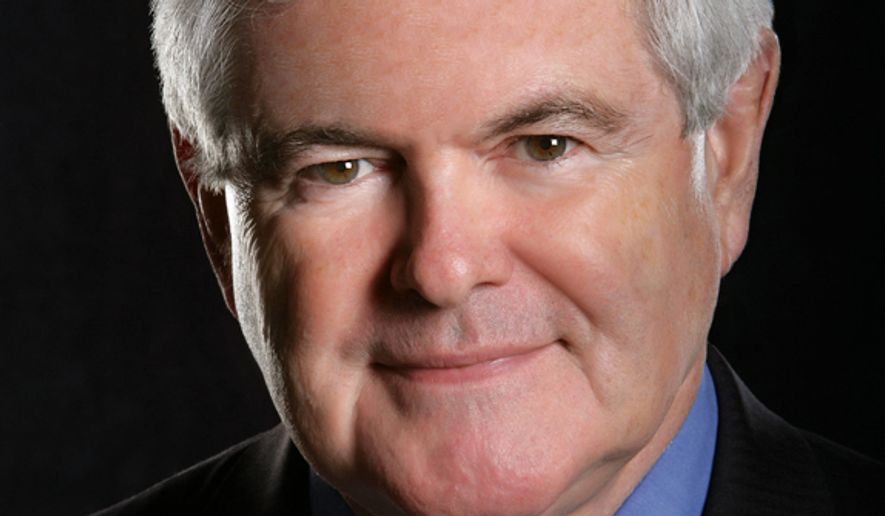
• Hon. Newt Gingrich, Ph.D., served as Speaker of the U.S. House of Representatives from 1995 to 1999. He previously represented Georgia’s 6th Congressional District and currently is a historian, conservative commentator and author of 24 books.
Please read our comment policy before commenting.