



OPINION:
I have been visiting Taiwan annually as an adjunct clinical professor in pharmacy schools and teaching hospitals for over 20 years; I have used Taiwan’s National Health Insurance (NHI) and witnessed the way this system functions.
The golden rule in health care systems is “one size doesn’t fit all,” but maybe we can learn from each other. Let me share a few of my observations.
While discussing the possibility of having national health insurance, many Americans worry about limited access to specialists, long wait times for non-emergency medical procedures and a limit on certain services, such as dental and vision coverage.
People were interested in these podcasts
Taiwan’s NHI is a mandatory, single-payer social insurance plan, instituted in 1995, that offers comprehensive coverage to 99.9% of citizens and legal foreign residents. This program is administered by the National Health Insurance Administration.
The NHI system is globally recognized for its exceptional affordability, high efficiency and generally few and short wait lists.
The following are core features of Taiwan’s NHI:
1. Comprehensive coverage. This includes inpatient and outpatient care, Western pharmaceuticals, traditional Chinese medicine, dental care, maternity care and home-based medical services. Generally speaking, you can just walk into your neighborhood clinic without an appointment to see a physician. You can visit any primary clinic, specialist or major hospital without needing a referral from a general practitioner.
2. Single-payer model: The NHI system allows the government to radically simplify billing, eliminate administrative waste and keep overall spending to roughly 6% to 7% of Taiwan’s GDP. In 2024, the United States spent 17% of our GDP on our hybrid health care system, while the United Kingdom spent 11% of its GDP for their single-payer-dominant system, according to the Peterson-KFF Health System Tracker.
3. Ultra-low out-of-pocket costs: The cost of standard clinic visits are typically between NT$150 to NT$360 (=USD $5-$10).
4. Strong initial treatment: The healthcare system of Taiwan is competent regarding actual surgery and treatment procedures of complicated or major illness; however, post-op care and rehab are not seen to be as important as the initial treatments.
Some downsides with NHI:
1. High doctor volume: The system is easily accessible, and physicians will normally see 50 or more patients a day. It’s not uncommon for some doctors to see 100 or more patients a day, and many doctors skip lunch breaks just to finish up their work. Doctors’ fees are generally low, so many doctors tend to work extra to bump up the payments. Taiwanese patients average about 15 medical visits per year, and this can lead to physician fatigue and high patient-to-staff ratios.
2. Dispensing vs. educating: The ease of access leads to polypharmacy (the use of multiple medications), which strains the system’s budget. I have witnessed this scenario in major teaching hospitals and small clinics. Pharmacists have a “mission impossible” job to do in Taiwan. The major problem is that pharmacists spend more than 90% of their time dispensing medications rather than educating patients or communicating with the prescribers.
3. Rare cases may require prior authorization: The NHI covers most common cases brilliantly; however, expensive treatments, novel pharmaceuticals or rare conditions may experience strict prerequisites and limitations. It’s not an easy job for a physician to explain all the guidelines and requirements to the patients, and this creates much confusion among patients.
4. Use of supplementary insurance is common: NHI does not cover everything. To offset cost-sharing for uncovered medications, medical supplies or access to private hospital rooms, approximately 70% of the population chooses to purchase supplementary commercial health insurance.
5. Nursing shortage: There is a considerable shortage of nurses across Taiwan’s medical institutions. One consequence is that dedicated bedside assistance is hard to come by. You have to either ask your family member or hire somebody from outside to help. Nurses are fully occupied with primary medical needs.
6. Imbalanced patient wait lists: With low co-pays and the belief that big hospitals can provide better service, almost all the teaching hospitals have long wait lists of patients. With the new policies of higher co-pays and more patient education, this situation should improve gradually. More patients have been resorting to their primary care physicians lately.
Today’s NHI system persistently enjoys very high popular satisfaction rates — above 90% since 2020 — according to an article by Dr. Chunhuei Chi of Oregon State University in the 2024 Journal of the Formosan Medical Association.
In Taiwan people are generally proud of the NHI system. Prior to its installment, many patients were losing their life savings due to exorbitant medical expenses. It’s a model worth studying for solutions elsewhere, an example of the efficiency, diligence, and organizational excellence for which Taiwan is renowned.
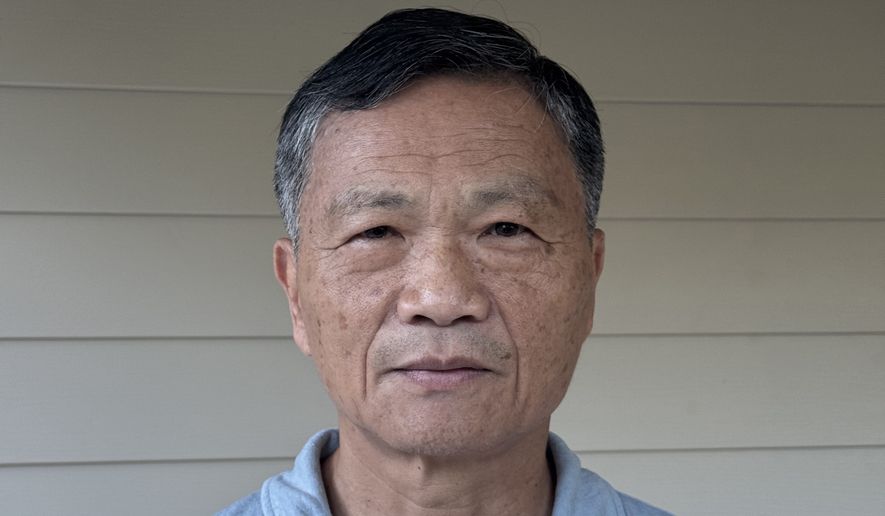
• Dr. Bay-Mao “Bill” Wu is a pharmacist and chairman of the Advisory Board of the North America Taiwanese Professors’ Association.
Please read our comment policy before commenting.