



Americans got a reprieve from inflation in June, as U.S. consumer prices experienced the largest dip in more than six years, according to Labor Department data released Tuesday.
The consumer price index fell more than expected, bringing the annual inflation rate down to 3.5%, down from 4.2% in May, the Bureau of Labor Statistics reported Tuesday.
The decline came thanks to a sharp drop in energy prices, providing relief from an inflation surge. But while it represents the largest one-month decrease since April 2020, the report came before the conflict in Iran kicked back up in July, foreshadowing another surge in energy prices.
People were interested in these podcasts
The CPI is the primary metric used to gauge inflation in the U.S. economy by tracking consumers’ typical purchases of goods and services.
From May to June, the broader index fell 0.4%, while core CPI, which excludes food and energy, was flat on the month. Compared to the same period a year earlier, core CPI was up 2.6%, down from 2.9% in May. The broader CPI’s monthly decline was driven largely by cooling gas prices.
This also beat the Dow Jones consensus estimate of a 3.8% annual rate and a 0.2% monthly drop.
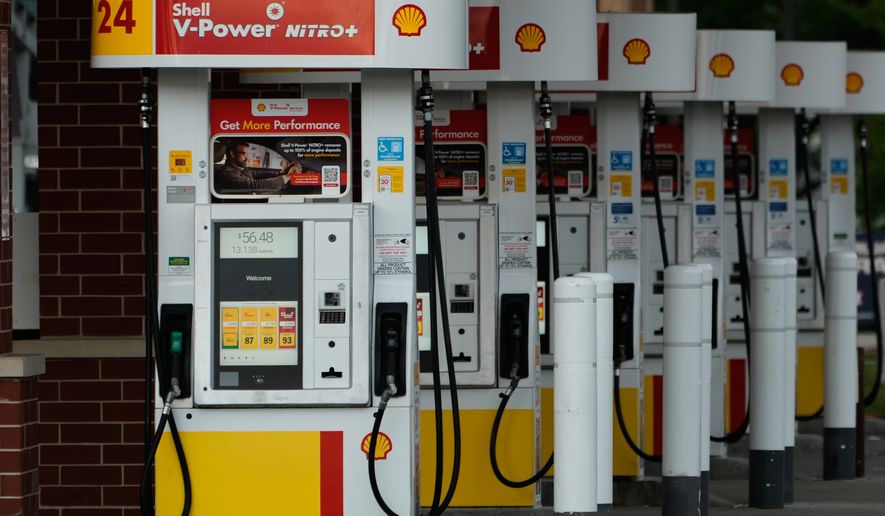
Energy represented the largest factor for the drop in inflation, as the CPI for energy fell 5.7% last month following three consecutive months of increases. Gas prices’ steep decline from a month earlier was 9.7%.
While U.S. electricity prices fell 1% from May to June, they remain 4% higher than a year ago amid a broader run-up in electricity costs that analysts have linked to surging demand from artificial intelligence data centers.
But this new data does not account for the recent energy surge.
After a shaky ceasefire deal to pause fighting in the Middle East was broken, gas prices shot up again, as producers and consumers brace for the uncertain longevity of higher costs.
Brent crude futures spiked above $86 a barrel Tuesday morning, hitting one-month highs as clashes in the Middle East and renewed U.S. naval blockades on Iranian ports in the Strait of Hormuz, the world’s most critical maritime oil chokepoint accounting for about one-fifth of global consumption, rattled energy markets.
Ryan Young, a senior economist at the Competitive Enterprise Institute, a free-market public policy organization, described June’s inflation relief as “likely temporary.”
“The latest Iran flare-up will likely push July’s inflation numbers back up,” he said in a statement. “Uncertainty about the president’s strategy and goals in Iran makes it unlikely that energy prices will come back down to pre-war levels until at least next year.”
This new report comes as the Federal Reserve is unconvinced that inflation will get back on track to the central bank’s 2% target.
In testimony to Congress, Federal Reserve Chairman Kevin Warsh said that the Fed has “no tolerance for persistently elevated inflation.”
Mr. Warsh, asked about the price figures, said they represented just one month of data and suggested he does not see inflation as defeated.
“There might be some that look at this morning’s data and say, ‘mission accomplished,’” he said. “That is not my view.”
The unexpected inflation slowdown has tempered earlier market expectations of a near-term Federal Reserve interest rate hike.
While Mr. Warsh has yet to disclose the Fed’s next steps, he has been steadfast in the central bank’s goal of getting inflation back on target.
Years of inflation have left Americans struggling with the cost of living, which is a top issue in the November midterm elections and a potential liability for Republicans.
Contact the author

Please read our comment policy before commenting.