



The Trump administration recast how threatened species should be considered in environmental actions by removing regulatory language to protect wildlife habitats.
Under the rule change, the Interior Department removed the definition of “harm” under the Endangered Species Act. Since 1981, “harm” has been defined as any action that hurts or kills species, including modifying or degrading an imperiled species’ habitat.
In a move finalized Friday, the administration now leaves “harm” undefined, meaning destroying a species’ nest or habitat would no longer be considered illegal. That would open up animals’ habitats to farming, drilling, mining, real estate development and other activities.
People were interested in these podcasts
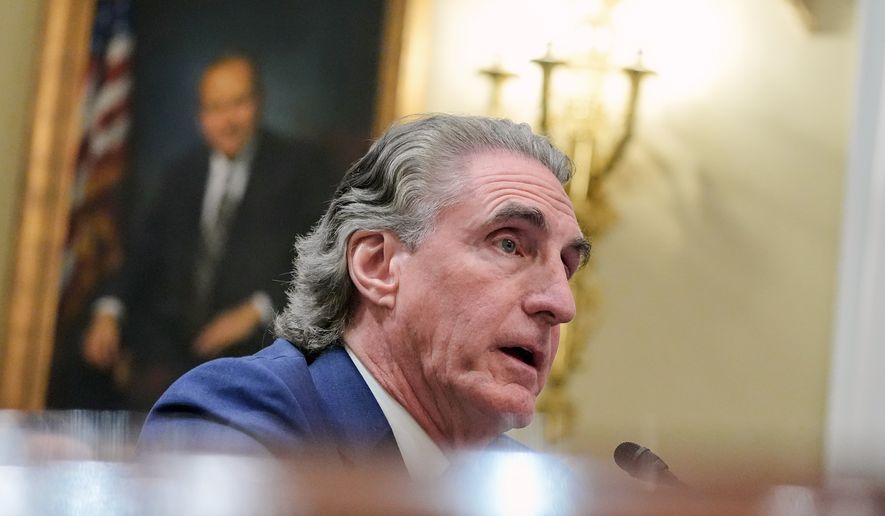
“For years, federal agencies abused the ESA to obstruct lawful land use and burden American families and businesses,” said Interior Secretary Doug Burgum. “That approach turned routine activity into a regulatory trap, drove up costs that impacted people’s lives, and expanded federal authority beyond what Congress intended. This action restores common sense, respects private property, provides much-needed certainty for landowners and follows the statute Congress actually passed.”
Environmentalists called the change the biggest attack on the ESA in decades.
“For more than four decades, the definition of ’harm’ recognized a simple truth: If you destroy the places wildlife need to survive, you are putting species on a path to extinction,” said Ben Greuel, wildlife campaign manager at the Sierra Club. “This rule ignores that reality in an unlawful attempt to open the door for corporate polluters to degrade vitally important habitats. Wildlife be damned.”
The rule change is in part on the Supreme Court’s 2024 decision in Loper Bright v. Raimondo, which requires federal agencies to follow the single best meaning of a statute rather than defer to an agency’s preferred definition of a statute.
Under that standard, the Interior and Commerce departments concluded that the prior definition of “harm” was an unlawful regulatory intrusion that interfered with property rights.
Please read our comment policy before commenting.