



Congressional Democrats and voting rights advocates mounted new challenges Tuesday to President Trump’s plans to have the post office police this year’s elections, moving just a day after the Supreme Court gave the administration some wiggle room.
The groups said the final proposal, released late Friday, turns the U.S. Postal Service “into a national gatekeeper for mail voting in federal elections.”
“But neither the Constitution nor Congress has given USPS any power to prescribe the rules around mail voting,” the voting groups said in their new filing.
People were interested in these podcasts
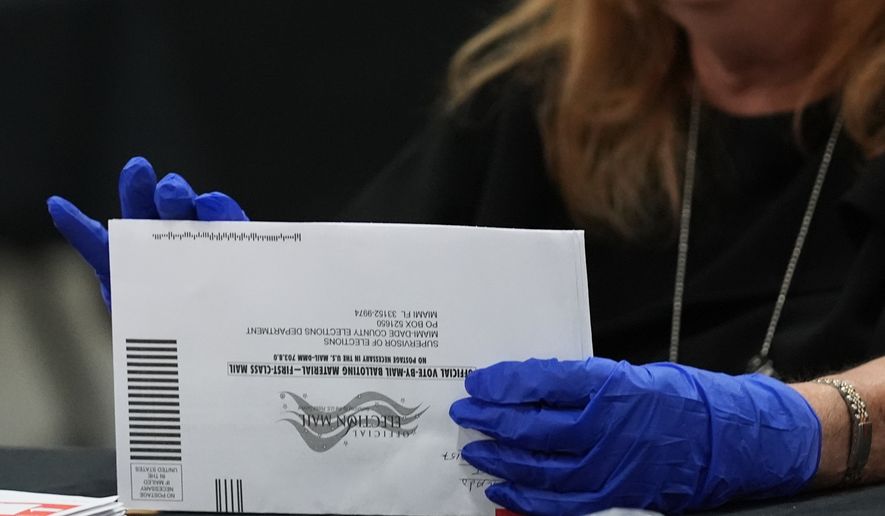
The rule would require states that want to allow voting by mail to submit lists of eligible voters to the postal service.
States would then have to use approved envelopes to send the ballots out, and to get the ballots back — and they must be marked with unique bar codes so they can be tracked.
The voting rights and Democratic groups filed their new objections in an ongoing case in Washington. The judge there had shot down an earlier challenge, saying the case wasn’t ripe because the postal service hadn’t finalized its plans.
Elsewhere, a judge had ruled against the postal service in a case brought by Democrat-run states.
The Supreme Court on Monday said that challenge, too, was premature.
But the release of the final postal service standards appears to breathe new life into the challenges.
In the voting-right case, in federal court in Massachusetts, U.S. District Judge Indira Talwani ruled that the release of the new postal service rules violated a previous injunction she issued.
But she said she wasn’t going to take any action because the release actually helped Mr. Trump’s challengers by making the issue more pressing.
She also gave permission to the Democratic states to update their challenge.
Democrat-led states have said the rules upend election plans. Some have already bought envelopes that wouldn’t comply with the new rules.
Contact the author

Please read our comment policy before commenting.