


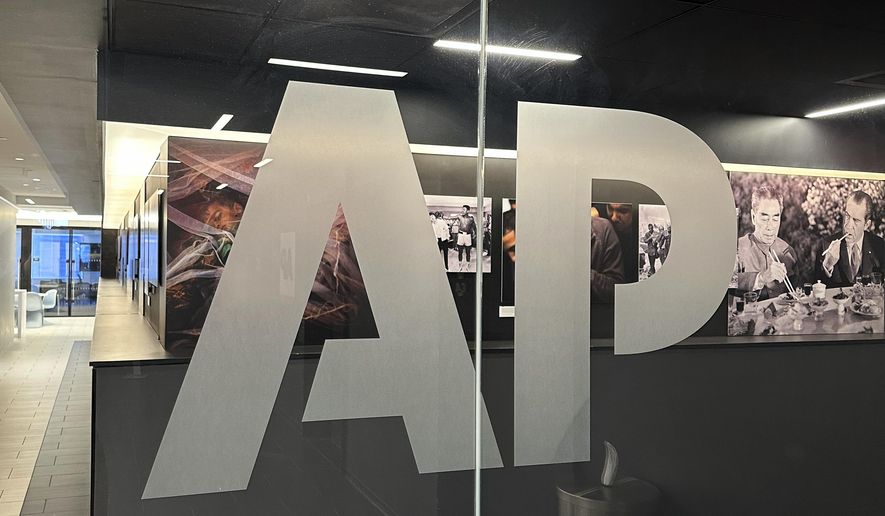

A federal appeals court ruled Friday that President Trump can exclude The Associated Press from the Oval Office, overturning part of a lower court ruling that had ordered him to give the news service equal access. Here’s what you need to know about the First Amendment press access decision:
The appeals court ruling
D.C. Circuit Court sided with Trump in 2-1 decision:
- President can exclude AP from Oval Office specifically
- Oval Office deemed special presidential workspace
- Trump retains discretion over access to “private workspaces”
- Judge Naomi Rao wrote majority opinion with Judge Gregory Katsas
The access distinction
Court drew line between different White House spaces:
- Oval Office access can be restricted by president
- East Room and similar spaces cannot have restricted access
- “Restricted presidential spaces are not First Amendment fora”
- Air Force One also considered restricted presidential space
The Gulf of America dispute
Controversy began over terminology requirements:
- Trump tried to boot AP over “Gulf of America” refusal
- Wire service wouldn’t adopt president’s new terminology
- AP lost access to press pool for Oval Office events
- Pool also covers Air Force One and other spaces
The White House policy changes
Access rules evolved during dispute:
- AP initially lost special press pool access
- White House later demoted Reuters and Bloomberg too
- All wire services now on par with other outlets
- Washington Times, New York Times, Wall Street Journal have equal access
The First Amendment questions
Case centered on press rights versus presidential control:
- Whether news organizations have speech rights trumping access control
- Majority said newsgathering has some First Amendment protections
- Court ruled newsgathering “is not itself a communicative activity”
- President’s discretion over access upheld for Oval Office
The dissenting opinion
Judge Cornelia Pillard disagreed with majority:
- Said punishing AP for viewpoint crossed lines
- Noted no court has upheld exclusion based on outside viewpoint
- Criticized attempt to deny benefit for refusal to use terminology
- Argued against viewpoint discrimination
The current press pool system
How White House media access typically works:
- Dozens of organizations in rotation for events
- AP reporters have same chance as major newspapers
- Separate rotating pool exists for photographers
- Far fewer organizations in photography pool
The legal implications
Ruling could affect future press access:
- Appeals court decision gives Trump legal backing
- Access to Oval Office events could be curtailed
- Other White House spaces remain protected
- Foundation for Individual Rights and Expression criticized ruling
What happens next
Case could continue or affect media landscape:
- Aaron Terr urged AP to keep fighting case
- Ruling allows “blatant viewpoint discrimination” according to critics
- Legal precedent set for presidential workspace access
- Newsgathering protection questions remain unresolved
Read more:
• Appeals court rules Trump can boot Associated Press from Oval Office
This article was constructed with the assistance of artificial intelligence and published by a member of The Washington Times' AI News Desk team. The contents of this report are based solely on The Washington Times' original reporting, wire services, and/or other sources cited within the report. For more information, please read our AI policy or contact Steve Fink, Director of Artificial Intelligence, at sfink@washingtontimes.com
The Washington Times AI Ethics Newsroom Committee can be reached at aispotlight@washingtontimes.com.
Please read our comment policy before commenting.