



California regulators have issued temporary rules governing the state’s voter-approved recreational marijuana marketplace in anticipation of retail weed sales becoming legal in less than two months.
The California Bureau of Cannabis Control, Department of Food and Agriculture and Department of Public Health unveiled the emergency regulations Thursday, establishing guidelines for growers, distributors, testers and retailers planning on participating in the state’s legalized recreational marijuana market when it opens Jan. 1, 2018.
Californians voted in favor of legalizing recreational weed in November 2016, triggering months of interagency consultations and discussions that culminated in the 278-page rule book released Thursday, 45 days before recreational sales become legal.
People were interested in these podcasts
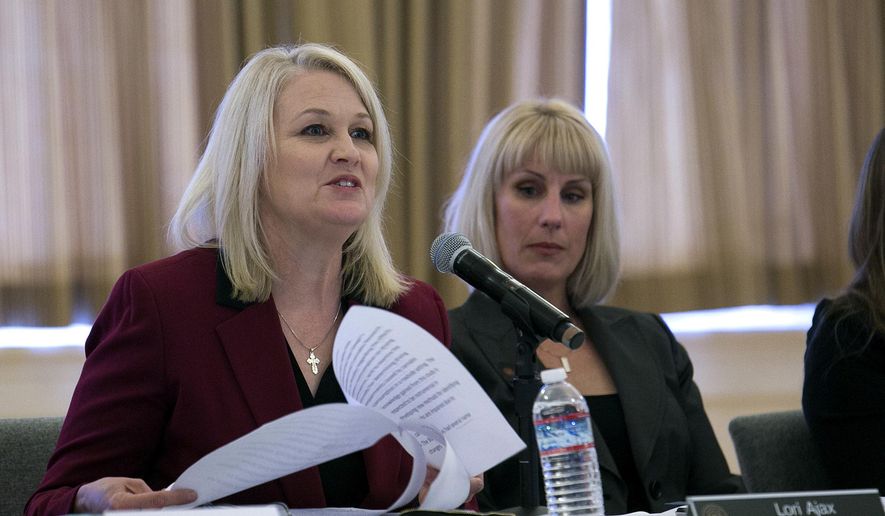
“In order for us to start issuing licenses Jan. 1st, which is our statutory mandate, we have to have regulations in place,” California’s cannabis regulation chief, Lori Ajax, told Sacramento’s FOX40.
The preliminary rules will likely change later in 2018, Ms. Ajax added, but in the meantime they’ll act as a regulatory roadmap for the nation’s sixth and largest retail marijuana marketplace once it gets off the ground in a matter of weeks.
“I feel a big sigh of relief. It’s a big milestone for us to release these regulations,” Ms. Ajax told the Orange County Register. “But there’s still a lot of work to be done. No rest for the weary.”
The emergency rules seemingly cover every aspect of California’s cannabis industry from seed to shop — ranging from governing how the state licenses marijuana growers, distributors, testers and sellers, to imposing potency limits on retail products including edibles and tinctures containing THC, the plant’s psychoactive ingredient.
Annual licensing fees will range from $800 for a distributor’s license to $120,000 for larger businesses, according to the rule book. The state said it plans on accepting online applications for temporary business permits beginning in December, with qualified applicants receiving their licenses starting Jan. 1.
California was the first state to legalize medical marijuana in 1996, defying the long-standing federal prohibition on pot and opening the door for another 28 states and counting to pass similar laws in the decades since. Eight states and the nation’s capital have legalized recreational marijuana, meanwhile, but only five of them currently have laws in place allowing state-licensed dispensaries to sell retail weed: Alaska, Colorado, Nevada, Oregon and Washington state.
Previous estimates have suggested California stands to earn up to $1 billion off of marijuana taxes within the first year of legalization.
Please read our comment policy before commenting.